What to Look for in a Quantum Bioresonance Practitioner
A comprehensive guide to finding the right bioresonance therapist — and the questions you must ask before booking a session.
You have done the research. You have read about quantum bioresonance, you understand the principles, and you are ready to experience it for yourself. Now comes a question that many people find surprisingly difficult to answer: how do you find the right practitioner?
The field of bioresonance therapy is largely unregulated, which means the quality, depth, and integrity of what different practitioners offer varies enormously. Some work with sophisticated quantum bioresonance technology that scans hundreds of parameters across the entire body, mind, and energy field. Others use simpler devices with limited scope. Some bring deep clinical knowledge, lived healing experience, and a genuine commitment to root cause resolution. Others offer surface-level scans with generic protocols.
Choosing the right practitioner is one of the most important decisions in your healing journey. The right person can help you find answers you have been searching for for years. The wrong fit can leave you with a shallow experience and an empty wallet.
This guide will walk you through exactly what to look for — and what to watch out for.
1. Look for lived experience, not just training

In a healing modality as nuanced and multidimensional as bioresonance, there is no substitute for lived experience.
The best practitioners are not just technically trained — they have walked the healing path themselves. They have experienced the technology firsthand, often in the context of their own chronic illness or health crisis, and they bring that depth of personal understanding to every client session.
A practitioner who has personally healed from chronic illness using bioresonance brings something that no certification program can teach: the intimate knowledge of what it feels like to be unwell, the persistence required to find root causes, and the profound conviction that healing is possible that only comes from having done it yourself.
When you speak with a potential practitioner, ask them: what brought you to this work? What is your personal experience with bioresonance? The answer will tell you everything you need to know about the depth of their commitment to the work.
"The healer who has walked through the fire carries a different kind of light. They don't just know the path — they have lived it." — Nik Heartsong
2. Understand what technology they use
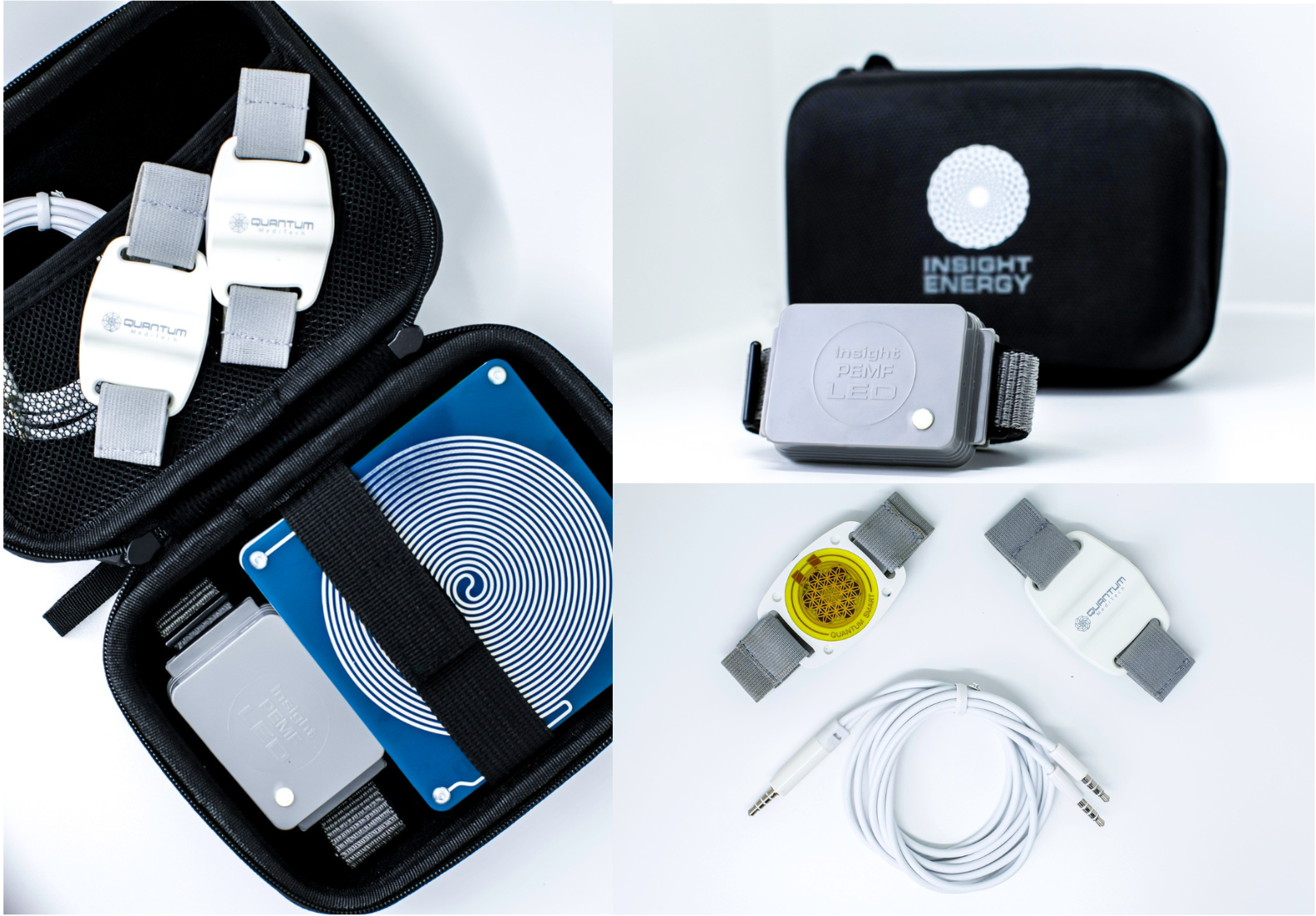
Not all bioresonance devices are equal.
There is a significant spectrum of sophistication between entry-level devices and advanced quantum bioresonance systems — and that spectrum directly determines the depth and accuracy of what can be detected in a session.
Here is what to ask and look for:
How many parameters does the scan cover?
A basic bioresonance device might scan a handful of systems. An advanced quantum bioresonance system should be able to scan hundreds of parameters across organs, glands, pathogens, nutritional status, toxic burden, emotional patterns, and the energetic anatomy simultaneously. Ask specifically how many parameters the scan covers and what systems are included.
Does it scan mind, body, AND energy field?
The most comprehensive bioresonance systems work across all three dimensions of health — physical, mental/emotional, and energetic. A scan that only addresses the physical body is missing a significant portion of the picture, particularly for chronic illness where emotional and energetic factors are almost always contributing to physical symptoms.
Can it work remotely?
Advanced quantum bioresonance technology can operate with equal effectiveness remotely, using your voice and photograph to establish a quantum coherent connection with your energetic field. This is not a limitation — it is a feature. Remote capability indicates a sophisticated system that works at the level of the quantum field rather than requiring physical proximity. If a practitioner tells you remote sessions are less effective than in-person, this suggests either a less advanced technology or a misunderstanding of the quantum mechanics involved.
What does treatment delivery look like?
The treatment component of a bioresonance session should deliver targeted corrective frequencies back into your field — not just produce a report. Ask whether the session includes active frequency treatment in addition to the diagnostic scan, and how that treatment is delivered. The most advanced systems deliver treatment as audio frequencies and pulsed electromagnetic waves that you receive and use daily between sessions.
3. Assess the breadth of their clinical knowledge
Bioresonance is a powerful tool — but it is only as powerful as the clinical mind interpreting its findings. A truly effective bioresonance practitioner needs to bring deep, integrative knowledge of holistic health to each session — understanding not just what the scan shows, but what it means in the context of your full health history, how the different findings relate to each other, and what the most effective path to resolution looks like for your specific body.
Look for practitioners who have substantial knowledge in the following areas:
Parasitology and the parasite-chronic illness connection
Liver and gallbladder function and detoxification pathways
Gut health, microbiome, and intestinal permeability
Heavy metal toxicology and chelation
Endocrine and hormonal systems
Nervous system regulation and trauma physiology
Nutritional biochemistry and supplementation
Energetic anatomy — chakras, meridians, the biofield
Emotional and psychological dimensions of physical illness
The best bioresonance practitioners function as integrative health detectives — using the scan as a map and their clinical knowledge to navigate it deeply and accurately. A session should feel like a comprehensive consultation, not just a readout of numbers.
4. Look for a root cause philosophy
This is perhaps the most important filter of all. There is a fundamental difference between a practitioner who uses bioresonance to manage symptoms and one who uses it to find and address root causes. The former will give you temporary relief. The latter will give you lasting transformation.
A root cause practitioner understands that chronic symptoms — fatigue, pain, inflammation, hormonal imbalance, digestive dysfunction, mood disorders — are not the problem. They are the message. The body is communicating that something in its deeper terrain is out of balance, and the job of the practitioner is to find what that something is and address it at the level of cause, not symptom.
In practice this means looking beyond the obvious — going deeper than "your liver is stressed" to ask what is stressing the liver, what is driving the inflammation, what the parasitic load looks like, what emotional patterns are maintaining the dysfunction. It means treating the whole person rather than the presenting complaint.
Ask any potential practitioner: what is your philosophy on chronic illness? What do you believe drives most chronic symptoms? A root-cause-oriented practitioner will have clear, specific, and often surprising answers to these questions — because root cause thinking requires going further than most people expect.
5. Evaluate their approach to parasites and detox
This is a litmus test that separates surface-level practitioners from deeply knowledgeable ones. Parasitic infection is one of the most significant and consistently underdiagnosed root causes of chronic illness — present in the vast majority of people with unexplained chronic symptoms — and yet it remains one of the most overlooked areas in both conventional and alternative medicine.
A sophisticated bioresonance practitioner will routinely identify parasitic signatures in their clients' scans and have a comprehensive, nuanced understanding of how to address them — including knowledge of specific parasites and their life cycles, biofilm disruption strategies, antiparasitic herbal and pharmaceutical protocols, liver and drainage support during die-off, and the timing and sequencing of treatment phases.
Similarly, a practitioner with deep detox knowledge will understand the importance of supporting the body's drainage pathways — liver, kidneys, lymph, gut, skin — throughout the healing process, and will design protocols that support effective clearance rather than simply mobilising toxins without adequate drainage support.
If a practitioner seems unfamiliar with parasites as a root cause of chronic illness, or dismisses the topic, this is a significant red flag regardless of how sophisticated their technology is.
6. Look for holistic integration — body, mind, and spirit
The body does not exist in isolation from the mind and spirit. Chronic illness almost universally has emotional, psychological, and energetic dimensions that are as important to address as the physical ones — and in many cases, the emotional root precedes and drives the physical manifestation.
The best bioresonance practitioners understand this and work across all dimensions of the person simultaneously. They scan and treat the energetic anatomy — chakras, meridians, the biofield — alongside the physical organs. They identify and address emotional imprints held in the body's tissues. They understand the language of the soul as well as the language of the cells.
Look for practitioners who integrate shamanic or energetic healing traditions, trauma-informed approaches, and spiritual dimensions of health alongside their clinical bioresonance work. This integration is what distinguishes truly transformative healing from symptomatic relief.
7. Ask about their personalised protocol process
A bioresonance session should produce a personalised treatment protocol — not a generic supplement list. Every person's scan findings are unique, and the protocol that follows should be specifically designed for their individual terrain, their specific pathogen load, their nutritional deficiencies, their emotional patterns, and their current capacity for detox and healing.
Ask any potential practitioner: what does a session protocol look like? What does it include? How is it tailored to the individual? How is progress monitored over time? The answers will reveal whether they are offering a bespoke healing journey or a one-size-fits-all service.
8. Check for testimonials and real results
Bioresonance is a results-driven modality. Look for practitioners who can demonstrate real, specific, verifiable client outcomes — not just vague testimonials about feeling better, but detailed accounts of specific conditions that were identified and resolved, specific symptoms that shifted, specific root causes that were found and addressed.
The most credible testimonials describe the journey in detail: what the client came in with, what the scan revealed, what the protocol involved, and what changed as a result. These detailed case narratives are the most reliable indicator of a practitioner's clinical effectiveness.
Green flags and red flags — a quick reference
Personal healing experience with bioresonance
They have walked the path themselves and healed using this technology
Advanced technology scanning 400+ parameters
Covers mind, body, and energy field across all major systems
Root cause philosophy
Treats the cause, not the symptom — asks why, not just what
Deep knowledge of parasites and detox
Understands the parasite-chronic illness connection and drainage pathways
Holistic integration of body, mind, and spirit
Works across all dimensions — physical, emotional, energetic
Personalised protocols based on individual scan findings
No two protocols are the same — tailored to your specific terrain
Detailed, specific client testimonials
Real results with real conditions — not vague wellness language
Effective remote sessions via voice and photo
Full quantum field access regardless of geographic distance
No personal healing experience or story
They entered the field purely through training, not transformation
Symptom management rather than root cause focus
Offers relief without investigating what is driving the condition
No mention of parasites or detox
Missing the most common root cause of chronic illness
Generic protocols for every client
One-size-fits-all supplements or frequencies regardless of individual findings
Claims remote sessions are less effective
Suggests limited technology or misunderstanding of quantum field principles
Vague or unverifiable testimonials
No specific conditions, findings, or outcomes described
Questions to ask before booking
Before committing to a session with any bioresonance practitioner, consider asking the following:
What is your personal experience with bioresonance and how did you come to this work?
How many parameters does your scan cover and what systems are included?
How do you approach chronic illness — what do you believe drives most unexplained symptoms?
What is your experience with parasites as a root cause of chronic conditions?
What does a personalised protocol look like after a session?
How does remote scanning work and is it as effective as in-person?
Can you share specific case studies or client outcomes?
How do you support the body's detox and drainage pathways during treatment?
Do you work across physical, emotional, and energetic dimensions?
What is the recommended frequency of sessions and how do you track progress?
A note on working with me

I share all of this because I believe you deserve full transparency about what to expect — and because the standards I describe above are the ones I hold myself to in my own practice.
I discovered bioresonance at the lowest point of my own health journey — bedridden with Lyme disease, severe liver disease, debilitating parasitic infections, and insomnia that had lasted five years.
I found it during a Covid lockdown in Thailand, through a device that scanned my body using only my voice and a photograph. Within a week I was sleeping through the night for the first time in years. Within three months I was dancing.
That experience — the desperation of chronic illness, the miracle of finding something that worked, the fire of healing — is what I bring to every session. I am not a practitioner who read about bioresonance in a textbook. I am someone who was healed by it, and who has dedicated the years since to mastering it in service of others.
What I bring to every session
Advanced quantum bioresonance scanning of 400+ parameters across mind, body, and energy field
B.A. in Psychology (UCSD) and health coach certification from Dave Asprey's Human Potential Institute
Shamanic training with indigenous masters in Costa Rica, Thailand, and Guatemala
Deep clinical expertise in parasitology, liver detox, heavy metal chelation, and gut healing
Personal healing from Lyme disease, parasitic infections, liver disease, and chronic insomnia
Fully remote sessions via Zoom — available worldwide — using voice and photo scanning
Personalised frequency protocols, supplement guidance, and ongoing support
Integration of physical, emotional, energetic, and spiritual dimensions in every session
Ready to work with a practitioner who has lived it?
Book a free 30-minute Energy Call to ask your questions and feel into whether this work is right for you. Or go straight to a Soul Mapping Bioresonance Session — a comprehensive 90-minute remote scan of your complete health landscape, available worldwide.