You have done the therapy. You have tried the antidepressants — or decided against them. You have read the books, done the breathwork, built the morning routine, addressed the trauma, cleaned up the diet.
And yet the anxiety is still there. Low-grade, persistent, humming beneath the surface of every day. Or the depression — not dramatic, not crisis-level, but a flatness, a heaviness, a disconnection from joy that no amount of mindset work seems to fully lift.
What if the missing piece is not psychological at all?
What if something living in your gut — in your liver, in your intestinal tissue, in the nervous system itself — is producing the neurochemical disruption driving your mood disorder?
This is not a fringe theory. This is emerging science. And it is one of the most consistently significant findings in my clinical bioresonance practice — the relationship between parasitic infection and mental health symptoms that conventional psychiatry has never been equipped to investigate.
The gut-brain axis — the highway between your microbiome and your mind

Before understanding how parasites affect mental health, it is essential to understand the extraordinary communication system that connects the gut to the brain.
The enteric nervous system — the network of over 500 million neurons lining the gastrointestinal tract — is often called the second brain. It communicates bidirectionally with the central nervous system via the vagus nerve, the longest cranial nerve in the body, which carries signals in both directions between the gut and the brain continuously.
Approximately 90 to 95 percent of the body's serotonin is produced in the gut — not the brain. The gut is also a primary site of production for dopamine precursors, GABA, and a range of neuroactive compounds that directly regulate mood, anxiety, motivation, and cognitive function.
This means that the health of the gut terrain — the microbiome, the intestinal lining, the enteric nervous system, and everything living within it — directly determines the neurochemical environment of the brain. A disrupted gut terrain does not just produce digestive symptoms. It produces neurological and psychiatric symptoms — because the gut is, in the most literal biochemical sense, the primary manufacturer of the neurotransmitters the brain requires for emotional regulation.
This is why gut health and mental health are inseparable. And this is why parasitic infection — one of the most significant and most consistently overlooked gut terrain disruptors available — has profound and specific effects on mood, anxiety, and cognitive function.
The specific mechanisms through which parasites cause depression and anxiety

Serotonin depletion through tryptophan competition
Serotonin is synthesised from tryptophan — an essential amino acid that must be obtained from diet. The conversion of tryptophan to serotonin requires a specific enzymatic pathway, and multiple parasitic organisms directly interfere with this pathway through two distinct mechanisms.
First — many parasitic organisms actively compete for dietary tryptophan, consuming it as a metabolic substrate before it can be used for serotonin synthesis. In a body with significant parasitic load, the competition for tryptophan can be severe enough to meaningfully reduce serotonin production — producing the low mood, poor sleep (serotonin is the precursor to melatonin), and reduced stress resilience that are hallmarks of serotonin deficiency.
Second — parasitic infection activates the immune system's inflammatory response, which diverts tryptophan metabolism away from serotonin synthesis through a pathway called the kynurenine pathway. When the immune system is chronically activated by parasitic burden, tryptophan is preferentially converted to kynurenine — a compound that, in excess, produces neuroinflammation and is directly implicated in depression — rather than serotonin.
This is one of the most direct and most mechanistically well-supported connections between chronic infection and depression. It does not require any psychological component. It is pure biochemistry — a competition for a substrate that the brain requires for mood regulation, and an immune activation that systematically diverts that substrate away from the neurochemical pathways that support mental health.
Dopamine disruption through zinc and tyrosine depletion
Dopamine is synthesised from tyrosine — another amino acid — in a pathway that requires zinc and iron as essential cofactors. Parasitic organisms are among the most zinc-avid organisms known — competing aggressively for zinc in a way that creates systemic zinc depletion in heavily burdened hosts.
Zinc depletion from parasitic infection directly impairs dopamine synthesis — reducing the production of the neurotransmitter responsible for motivation, reward, focus, and the feeling of aliveness that disappears in depression. The specific symptom picture of dopamine deficiency — anhedonia (inability to feel pleasure), loss of motivation, cognitive fog, flat affect, and the inability to feel rewarded by activities that previously brought joy — maps almost exactly to the presentation of many people with significant parasitic burden.
This is clinically significant because dopamine deficiency that originates from parasitic zinc depletion will not respond to conventional antidepressant treatment — which targets serotonin reuptake rather than dopamine synthesis. The person on an SSRI whose depression does not respond, or responds partially, may be experiencing a dopamine-deficient depression driven by parasitic zinc competition that no antidepressant was designed to address.

GABA disruption and anxiety
GABA — gamma-aminobutyric acid — is the brain's primary inhibitory neurotransmitter. It is the neurochemical brake that prevents the nervous system from becoming chronically overactivated. Adequate GABA is what allows the nervous system to return to a state of calm after a stress response — to complete the arousal cycle and settle back into parasympathetic coherence.
Parasitic organisms disrupt GABA function through multiple mechanisms. Several species — including Toxoplasma gondii, which has been extensively researched for its neurological effects — directly alter GABAergic signalling in the brain. Parasitic-driven gut dysbiosis reduces the production of GABA in the enteric nervous system, which supplies a significant portion of the GABA available to the central nervous system. And the chronic immune activation driven by parasitic burden maintains a state of low-grade neuroinflammation that directly impairs GABAergic inhibitory function.
The result is a nervous system that cannot adequately inhibit its own activation — producing the chronic, low-grade, free-floating anxiety that is one of the most consistent presentations in people with significant parasitic burden. Not anxiety with a clear external cause. Anxiety as a baseline state — a nervous system that cannot switch off, regardless of external circumstances or psychological work.
Acetaldehyde production and the brain fog-depression-anxiety triad
Candida overgrowth — which is one of the most consistent co-infections accompanying parasitic burden — produces acetaldehyde as a primary metabolic waste product. Acetaldehyde is the same compound responsible for alcohol-induced cognitive impairment — the compound that makes people feel foggy, slow, depressed, and anxious the morning after drinking.
In a body with chronic candida overgrowth, acetaldehyde is produced continuously — not from alcohol consumption but from the metabolic activity of the yeast colonising the gut. This creates a state of chronic, low-grade neurological impairment — brain fog, reduced cognitive clarity, flat mood, poor motivation, and anxiety — that is chemically identical to the neurological effects of chronic alcohol exposure, produced from inside the body rather than from an external source.
This is one of the reasons why people with significant candida burden — which so frequently accompanies parasitic infection — report feeling perpetually cognitively impaired regardless of how much sleep they get, how clean their diet is, or how much mindset work they do. The impairment is not psychological. It is biochemical. And it resolves when the source of the acetaldehyde — the candida overgrowth — is cleared.
Toxoplasma gondii — the parasite that rewires the brain
No discussion of parasites and mental health is complete without addressing Toxoplasma gondii — the single most extensively researched organism for neurological and psychiatric effects in the parasitology literature.
Toxoplasma gondii is a protozoan parasite estimated to chronically infect approximately one third of the global human population — primarily through exposure to cat faeces, undercooked meat, and contaminated soil. In immunocompetent individuals, primary infection is typically asymptomatic — the organism forms cysts in the brain and muscle tissue and establishes chronic latent infection without producing acute illness.
However — chronic latent Toxoplasma infection is associated in the research literature with a remarkable range of neurological and psychiatric effects. Research has documented associations between latent Toxoplasma infection and schizophrenia, bipolar disorder, depression, anxiety disorders, obsessive-compulsive disorder, and significantly increased impulsivity and risk-taking behaviour.
The mechanisms are specific and well-documented. Toxoplasma gondii directly manipulates the dopaminergic system — the organisms produce an enzyme called tyrosine hydroxylase that directly increases dopamine synthesis in the brain regions where the cysts are located, altering the dopamine balance in ways that produce behavioural and psychiatric effects. They also directly alter amygdala function — reducing the fear response in ways that produce the increased risk-taking and impulsivity documented in infected individuals.
This is not speculative. This is documented, peer-reviewed science. Toxoplasma gondii is a brain-resident parasite that alters dopamine chemistry and amygdala function in a significant proportion of the global population — and it is almost never screened for in standard psychiatric assessment.
Immune activation and neuroinflammation
The relationship between chronic immune activation and depression is one of the most robust findings in contemporary psychiatry — the inflammatory theory of depression, supported by decades of research showing that chronically elevated inflammatory cytokines (particularly IL-6, TNF-alpha, and IL-1beta) produce depression-like states through multiple mechanisms including disruption of serotonin metabolism, impairment of neuroplasticity, and activation of the kynurenine pathway described above.
Chronic parasitic infection is one of the most consistent drivers of the chronic immune activation that produces this inflammatory cytokine environment. The immune system's continuous response to parasitic antigens maintains elevated inflammatory cytokine levels that directly impair mood, motivation, and cognitive function — independently of any direct neurological effects of the parasites themselves.
This is why anti-inflammatory interventions — omega-3 fatty acids, curcumin, low-inflammatory diets — produce modest improvements in some forms of depression. They are addressing one of the downstream consequences of the chronic immune activation. But they are not addressing the source of the immune activation. The parasitic burden driving the inflammation remains — and continues to drive the neuroinflammation that impairs mood regardless of how anti-inflammatory the diet becomes.
The vagal tone connection
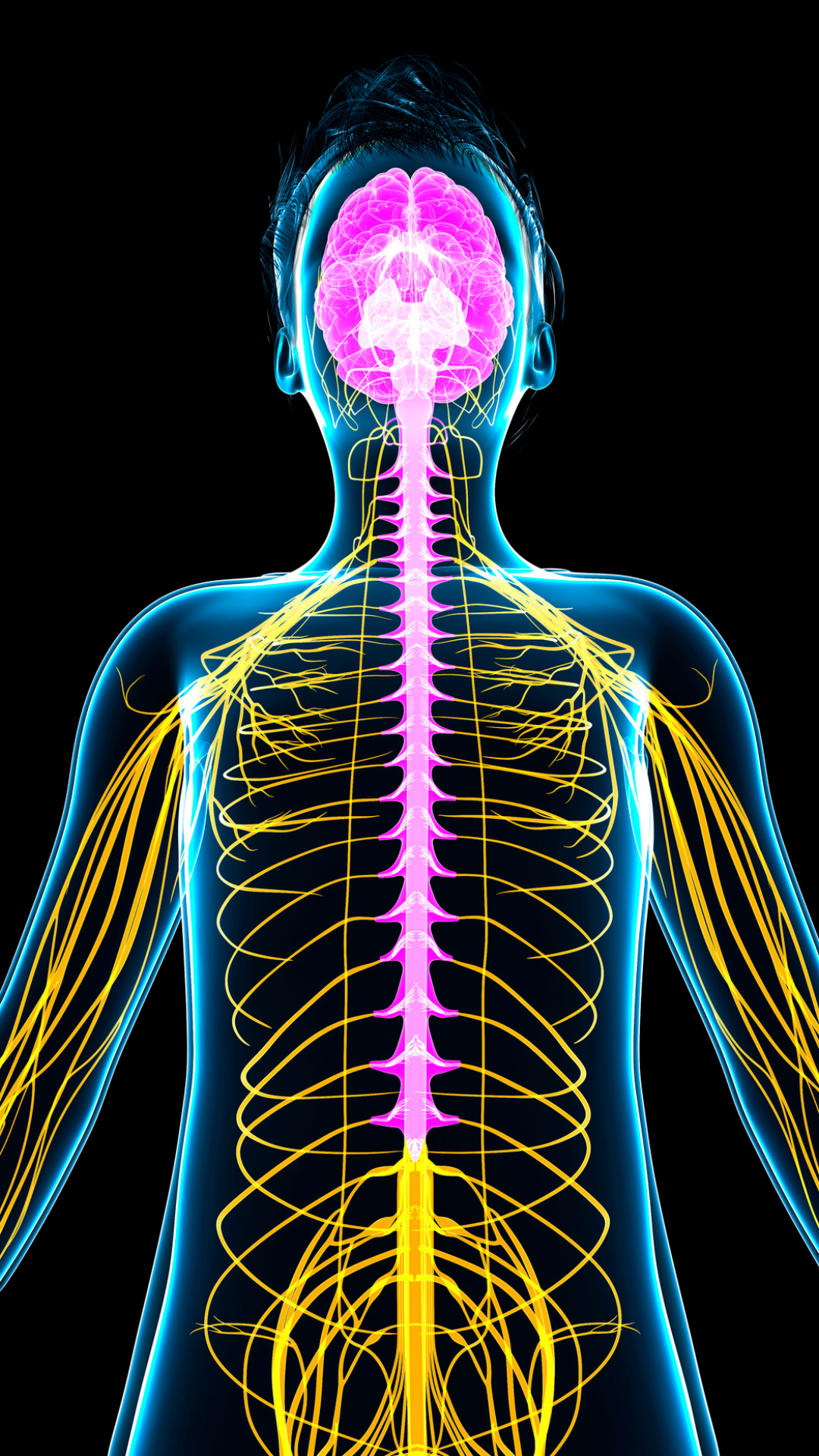
The vagus nerve is the primary communication pathway of the parasympathetic nervous system — the "rest and digest" system that counters the sympathetic fight-or-flight activation and allows the body and nervous system to return to safety, calm, and recovery.
Vagal tone — the functional capacity of the vagus nerve — is directly related to emotional regulation, anxiety resilience, and the ability to recover from stress. Low vagal tone is associated with anxiety, depression, poor emotional regulation, and the inability to shift out of sympathetic dominance.
Parasitic organisms living in the gut and abdominal organs directly impair vagal tone through the inflammatory disruption they produce in the enteric nervous system. The chronic low-grade inflammation and microbiome dysbiosis that accompany parasitic burden impair the vagal signalling that maintains parasympathetic tone — contributing to the chronic sympathetic dominance, anxiety, and emotional dysregulation that characterise parasitic burden presentations.
This is why somatic practices — breathwork, cold exposure, singing, vagal nerve stimulation — produce temporary improvements in anxiety and emotional regulation for people with parasitic burden, but the improvement is not sustained. The vagal disruption is continuously being driven by the parasitic terrain that remains unaddressed.
The clinical picture — what parasitic mental health presentation looks like

In my clinical bioresonance practice, the specific mental health picture associated with parasitic burden has consistent characteristic features that distinguish it from purely psychological or idiopathic mood disorders:
Cyclical worsening — symptoms worsen in a pattern that corresponds to the lunar cycle and the reproductive cycles of parasitic organisms. Many clients notice their anxiety and depression are significantly worse in the days around the full moon — when parasitic activity and egg-laying peaks — and improve in the week following. This cyclical pattern, particularly when it corresponds to the lunar cycle, is one of the most specific clinical indicators of a parasitic component to mood symptoms.
Post-meal worsening — anxiety and brain fog that consistently worsen after meals — particularly after carbohydrate-rich meals that feed both candida and certain parasitic organisms — suggest a gut terrain component to the mood presentation. This pattern is rarely seen in purely psychological anxiety and is highly characteristic of candida and parasitic gut burden.
Treatment resistance — mood symptoms that are partially responsive or non-responsive to conventional antidepressant and anxiolytic treatment, despite adequate trials. The neurochemical disruption produced by parasitic burden operates through different mechanisms than the serotonin reuptake impairment that SSRIs address — meaning that parasitic-driven depression and anxiety may not respond to conventional pharmacological treatment.
Accompanying physical symptoms — the presence of characteristic physical symptoms alongside mood symptoms — fatigue, bloating, teeth grinding (bruxism), multiple food sensitivities, joint pain, cyclical abdominal symptoms — suggests a systemic terrain component rather than a purely psychological presentation.
The correlation with antiparasitic treatment — perhaps the most clinically compelling evidence: clients who undergo comprehensive antiparasitic terrain clearing consistently report significant improvement in mood, anxiety, and cognitive clarity alongside the resolution of their physical symptoms. Not as a secondary or incidental effect — as a primary, direct, and often dramatic shift in their neurological and emotional experience.
What quantum bioresonance reveals about the mental health-parasite connection
Standard psychiatric assessment does not include parasitological investigation. Standard parasitological investigation does not include the neuropsychiatric effects of subclinical parasitic burden. The two fields operate in complete isolation from each other — which is why the parasitic drivers of depression and anxiety remain systematically unidentified in conventional care.
A quantum bioresonance scan reads the electromagnetic terrain of the body across 400+ parameters simultaneously — including the specific parasitic organisms present, their location (including neural tissue and the enteric nervous system), the neurotransmitter production impairments they are creating, and the specific nutritional deficiencies (zinc, tryptophan, B vitamins, magnesium) that are impairing the neurochemical pathways required for mood regulation.
This comprehensive assessment allows the identification of the specific parasitic and terrain root causes driving the mood presentation — and the construction of a personalised protocol that addresses those root causes rather than managing the neurochemical expression with medication.
The shifts in mental clarity, mood stability, and anxiety levels that clients experience following comprehensive terrain clearing are among the most profound and most consistently reported outcomes in my practice. Not because bioresonance is a psychiatric treatment — but because it addresses the terrain disruptions that were producing the psychiatric symptoms in the first place.
The comprehensive natural protocol for parasitic mental health

Step 1 — Comprehensive terrain assessment Bioresonance scan to identify the specific parasitic organisms present, their neurological effects, the neurotransmitter deficiencies they are creating, and the specific nutritional depletions requiring support.
Step 2 — Nutritional foundation for neurotransmitter repairTryptophan support — adequate dietary protein including tryptophan-rich foods (turkey, eggs, pumpkin seeds, spirulina) alongside vitamin B6 and magnesium which are required cofactors for serotonin synthesis. Zinc repletion — 30–50mg zinc daily to counteract parasitic zinc competition and support dopamine synthesis. Magnesium glycinate — 400–600mg daily, required for GABA synthesis and nervous system regulation. B vitamin complex — particularly B6, B9 (folate), and B12, required for methylation reactions supporting neurotransmitter production. Iron — assessed and repleted where deficient, required as a cofactor in dopamine synthesis.
Step 3 — Antiparasitic terrain clearing Moon-cycle timed antiparasitic protocols targeting the specific organisms identified in the bioresonance assessment — beginning at the full moon when parasitic reproductive activity peaks. Herbal antiparasitic rotation including wormwood, black walnut hull, clove, mimosa pudica, neem, and artemisia. Biofilm disruption with serrapeptase and nattokinase to expose organisms sheltering in biofilm.
Step 4 — Candida clearing Addressing the candida co-infection that accompanies parasitic burden and directly produces the acetaldehyde driving brain fog and mood impairment. Dietary sugar elimination, natural antifungal rotation (oregano oil, caprylic acid, berberine), and biofilm disruption.
Step 5 — Gut terrain restoration Repair of the intestinal lining damaged by parasitic hyphal invasion — L-glutamine, zinc carnosine, collagen, aloe vera. Restoration of the microbiome with specific strains (Lactobacillus rhamnosus has the most research support for mood and anxiety — sometimes called the psychobiotic). Prebiotic foods to feed the establishing bacterial community.
Step 6 — Nervous system regulation Supporting the vagal tone and parasympathetic function directly impaired by parasitic gut terrain disruption — daily breathwork (extended exhalation activates the vagus nerve), cold water exposure to face and neck, humming and singing (vagal nerve stimulation through the laryngeal branch), and bioresonance frequency treatment targeting the autonomic nervous system and HPA axis.
Step 7 — Anti-inflammatory terrain support Omega-3 fatty acids (EPA and DHA) — 2–4g daily for neuroinflammation reduction. Curcumin with black pepper — specific anti-inflammatory activity in neural tissue. NAC (N-acetyl cysteine) — glutathione precursor with specific activity against the neuroinflammatory effects of kynurenine pathway activation.
What becomes possible

The person navigating treatment-resistant depression, chronic low-grade anxiety, or the persistent fog of a nervous system that never fully settles — who has done the therapy, built the practices, addressed the psychological dimensions, and still cannot get free — deserves to know that the missing piece may not be psychological at all.
The gut is the primary manufacturer of the neurotransmitters the brain requires for emotional regulation. Parasitic infection is one of the most significant gut terrain disruptors available. The connection between what is living in the body and how the mind and nervous system function is not metaphorical — it is biochemical, neurological, and clinically addressable.
When the terrain is cleared — when the parasitic burden is systematically removed, the neurotransmitter precursors are repleted, the gut lining is repaired, and the microbiome is restored — the neurochemical environment that has been driving the mood disruption changes. The anxiety lifts. The depression releases. The cognitive fog clears. Not because the mind has been worked harder — but because the body has been given what it needed to produce the neurochemical environment that the mind requires to function.
If you are navigating depression, anxiety, or treatment-resistant mood symptoms alongside chronic physical symptoms — book a Quantum Bioresonance Session and let's assess what your terrain is actually showing.
Book a Quantum Bioresonance Session — $150 Remote worldwide via Zoom · wingedhearthealing.com/book-a-session Free 30-min Energy Call: calendly.com/heartsongvibes/30min