Something significant is happening at the edges of cancer research — and it is not coming from pharmaceutical companies or oncology departments.
It is coming from a growing community of researchers, practitioners, and patients who have been asking a question that conventional oncology has largely refused to take seriously: what if some of the most effective anticancer compounds already exist — cheap, off-patent, widely available — and have been overlooked because there is no financial incentive to study them?
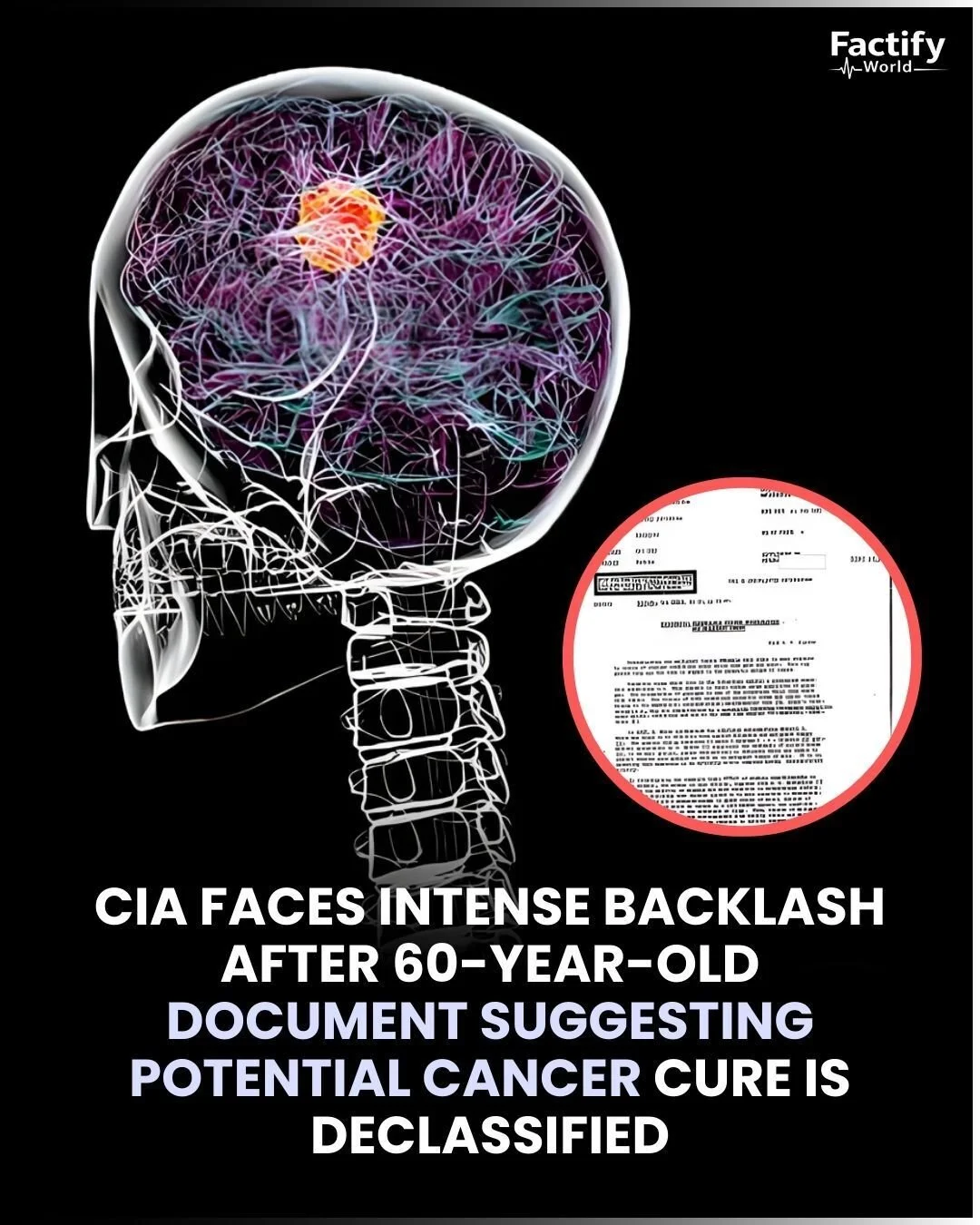
In March 2026, a declassified document circulated widely online and was covered by the Daily Mail — reportedly a historical CIA-linked document referencing research into potential cancer-fighting compounds including ivermectin. The story sparked furious public debate. It also opened a door that many in the integrative medicine community have been trying to open for years.
I want to add my voice to that conversation — as a regenerative medicine practitioner, as someone who has spent a decade working with parasitic infection and its relationship to chronic disease, and as someone who has personally used these compounds and witnessed their effects.
Cancer as a metabolic and parasitic disease
Before we talk about specific compounds, I need to share the clinical framework through which I understand cancer — because it is fundamentally different from the mainstream model, and it determines why these compounds make biological sense.
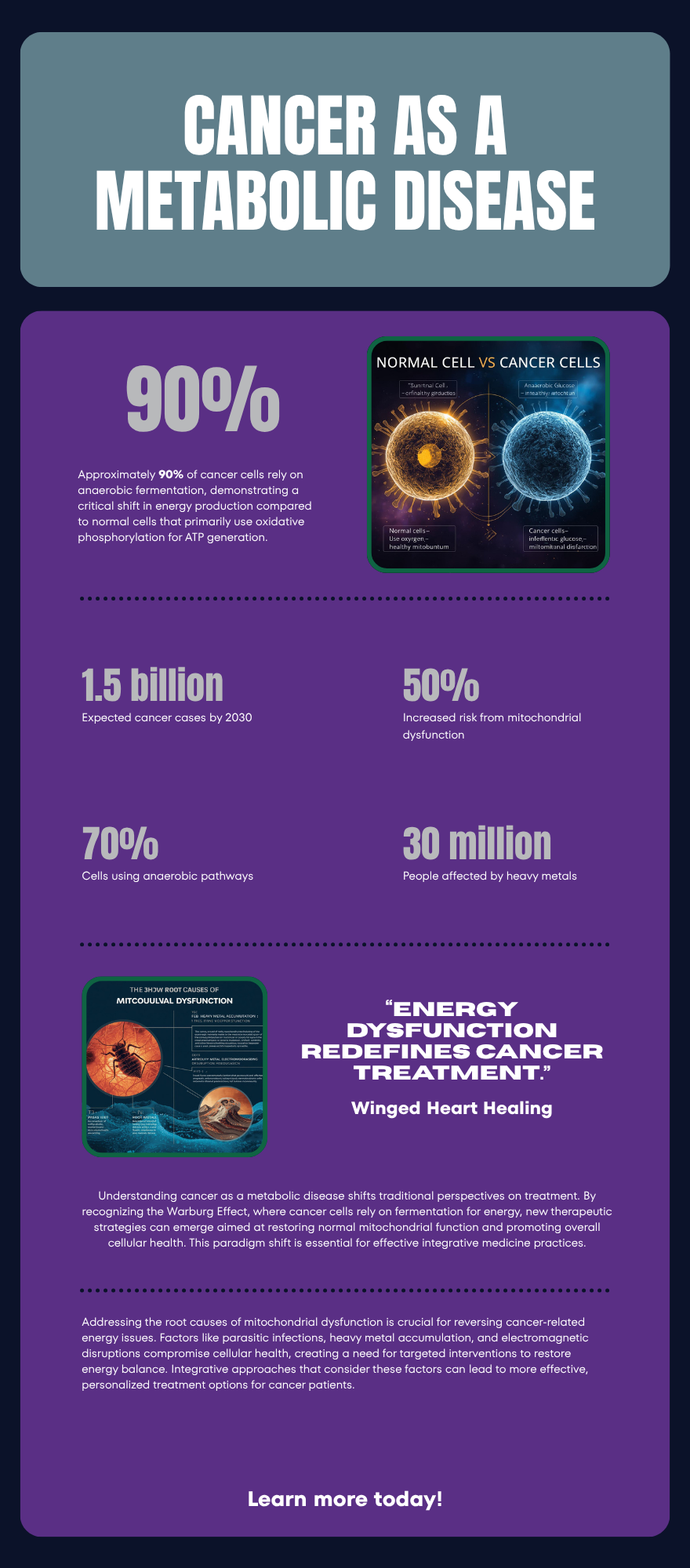
In my clinical philosophy, rooted in both my bioresonance practice and the work of researchers including Thomas Seyfried, cancer is primarily a metabolic disease. Cancer cells are fundamentally cells that have lost their ability to perform normal oxidative phosphorylation — normal mitochondrial energy production — and have reverted to an ancient, inefficient form of energy generation called fermentation, fuelled primarily by glucose and glutamine.
This metabolic shift — the Warburg effect — is not random. It is driven by mitochondrial dysfunction. And mitochondrial dysfunction, in my clinical experience and in a growing body of research, is frequently driven by parasitic infection. Parasites impair mitochondrial function directly. They produce inflammatory metabolic waste that damages mitochondrial DNA. They deprive the host cell of the nutrients required for mitochondrial repair. They disrupt the electromagnetic coherence of the cellular terrain in which mitochondria operate.
This is the hill I have been dying on for a decade: parasites are not just a digestive problem. They are a foundational driver of the cellular dysfunction that underlies most chronic disease — including, in many cases, cancer.
Which brings us to why antiparasitic drugs are producing results that oncologists cannot explain.
Fenbendazole — the dog dewormer that Joe Tippens made famous
If you have spent any time in the integrative cancer community in the past five years, you have heard of Joe Tippens. In 2016, Tippens was diagnosed with terminal small cell lung cancer — cancer throughout his body, given three months to live. He began taking fenbendazole — a veterinary antiparasitic — alongside a protocol including vitamin E succinate, curcumin, and CBD oil. Within three months his cancer had completely disappeared. His case was verified by his oncologist and has been documented extensively.
Tippens is not alone. The "Joe Tippens protocol" has since been adopted by thousands of cancer patients worldwide — particularly in South Korea, where a documentary about his case sparked a national movement and prompted formal research into fenbendazole's anticancer mechanisms.
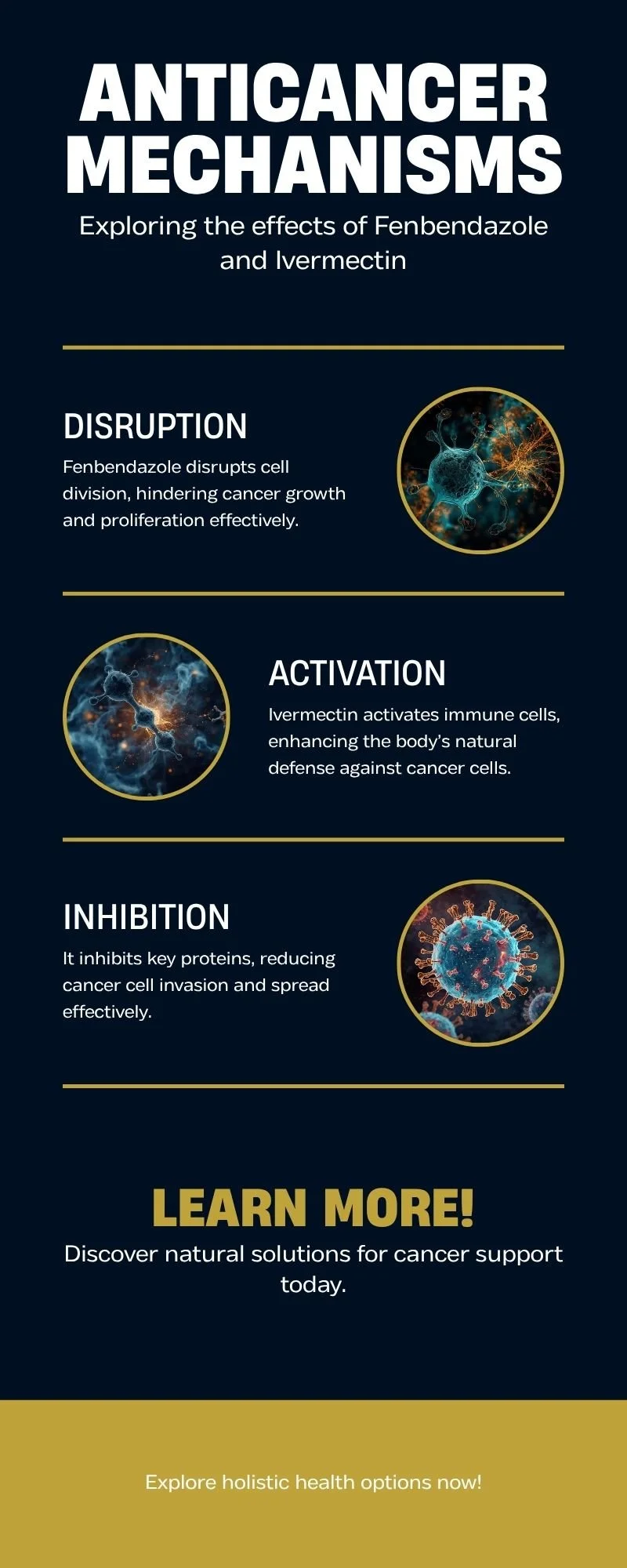
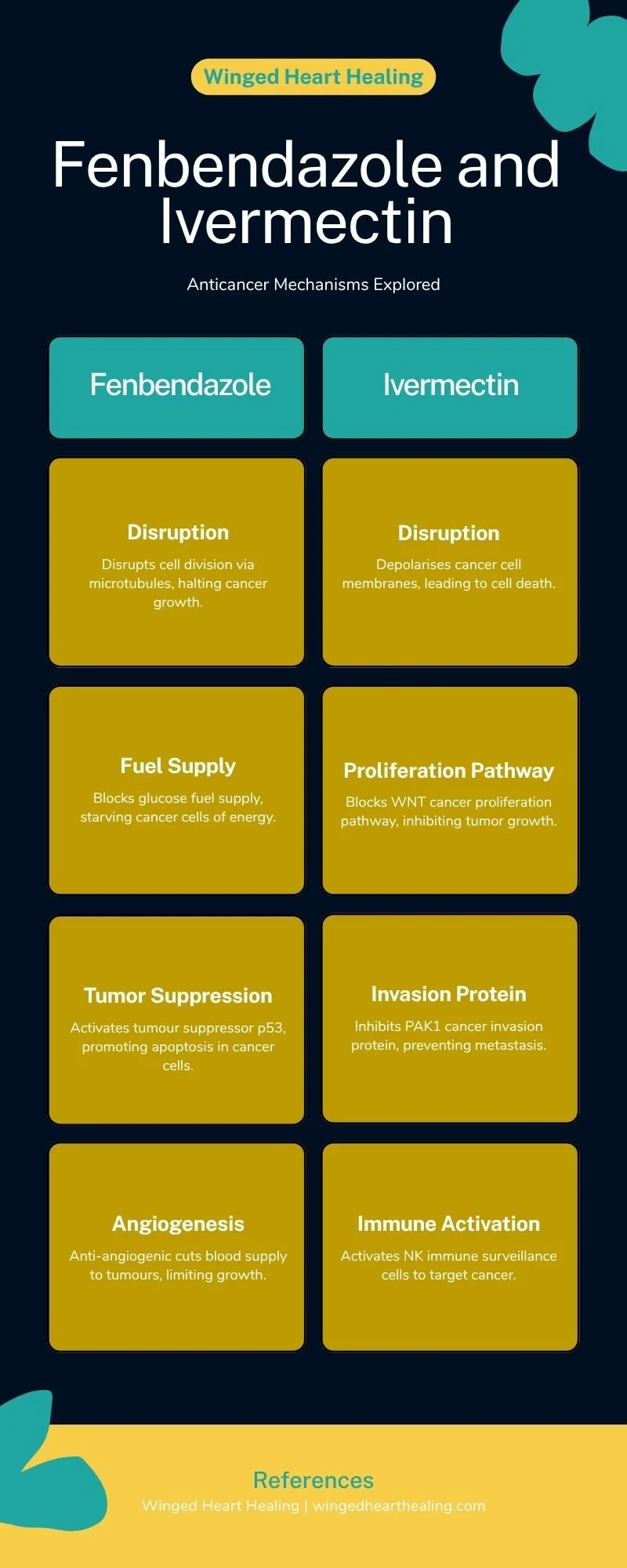
The mechanism — Fenbendazole belongs to the benzimidazole class of antiparasitic compounds. Its primary mechanism is the disruption of microtubule formation — specifically, it binds to tubulin and prevents its polymerisation into the microtubule structures that cells require to divide. In parasites, this disrupts their ability to replicate and maintain their structural integrity. In cancer cells — which are dividing rapidly and depend on intact microtubule networks for cell division — the same mechanism produces potent antiproliferative effects.
But the anticancer mechanisms of fenbendazole extend well beyond microtubule disruption:
Glucose metabolism disruption — Fenbendazole has been shown to inhibit glucose uptake in cancer cells by downregulating glucose transporter proteins and inhibiting the GLUT transporters that cancer cells depend on for their primary fuel source. This directly attacks the Warburg metabolism that drives tumour growth.
p53 activation — Research has demonstrated that fenbendazole activates p53 — the tumour suppressor protein sometimes called "the guardian of the genome" — in cancer cells. p53 activation triggers apoptosis (programmed cell death) in cells with abnormal DNA — which is precisely the mechanism by which cancer cells should be eliminated but have learned to evade.
Disruption of cancer cell energy production — Fenbendazole inhibits Complex II of the mitochondrial electron transport chain in cancer cells, further impairing their already compromised energy production and pushing them toward apoptosis.
Anti-angiogenic effects — Tumours require new blood vessel formation (angiogenesis) to grow beyond a certain size. Fenbendazole has demonstrated anti-angiogenic properties — inhibiting the formation of the new blood vessels that feed tumour growth.
A 2021 study published in Scientific Reports demonstrated that fenbendazole inhibited growth and induced cell death in colorectal cancer cells through multiple simultaneous mechanisms. Multiple additional peer-reviewed studies across a range of cancer types — including lung, breast, ovarian, and glioblastoma — have demonstrated significant antiproliferative and pro-apoptotic effects.
Mebendazole — fenbendazole's human-approved equivalent — has an almost identical mechanism of action and a growing body of clinical research. A 2020 study published in JNCI Cancer Spectrum documented a case of complete remission of metastatic adrenocortical carcinoma in a patient taking mebendazole. Multiple clinical trials are now underway investigating mebendazole in glioblastoma, colorectal, and other cancers.
Ivermectin — the Nobel Prize-winning antiparasitic with remarkable anticancer properties
Ivermectin received the 2015 Nobel Prize in Physiology or Medicine for its role in eliminating river blindness and lymphatic filariasis in the developing world — one of the most significant public health achievements of the 20th century. It has been used safely in humans for four decades, with an extraordinary safety profile and over four billion doses administered worldwide.
Its anticancer properties have been studied for over two decades — largely below the radar of mainstream oncology.
The mechanism — Ivermectin's anticancer activity operates through several distinct pathways:
Ion channel disruption and cellular depolarisation — Ivermectin targets chloride ion channels — specifically glutamate-gated chloride channels that are expressed not only in invertebrate nervous systems but in certain cancer cell types. By disrupting ion channel function it alters the membrane potential of cancer cells and impairs their ability to maintain the electrical gradient required for normal cellular function — effectively depolarising and destabilising the cancer cell membrane.
Inhibition of the WNT-TCF pathway — The WNT signalling pathway is one of the most commonly dysregulated pathways in human cancer — implicated in colorectal, breast, ovarian, and many other cancer types. Ivermectin has been shown to inhibit WNT-TCF signalling, reducing cancer cell proliferation and inducing differentiation.
PAK1 inhibition — Ivermectin inhibits PAK1 — p21-activated kinase 1 — a protein kinase that is overexpressed in approximately 70% of human cancers and plays a critical role in cancer cell proliferation, migration, and invasion.
Induction of mitochondrial dysfunction in cancer cells — Ivermectin disrupts mitochondrial membrane potential specifically in cancer cells, triggering the mitochondrial pathway of apoptosis — programmed cancer cell death.
Immunomodulatory effects — Ivermectin has demonstrated significant immunomodulatory activity, enhancing the activity of natural killer (NK) cells and T cells that are responsible for immune surveillance against cancer. This is consistent with the forest bathing research shown in the viral carousel referenced in the images I reviewed — NK cell activation is one of the body's primary anticancer defence mechanisms, and anything that enhances NK cell activity is relevant to cancer prevention and treatment.
A 2020 review published in Pharmacological Research concluded that ivermectin demonstrated broad-spectrum anticancer activity across multiple cancer types in preclinical models, and called for formal clinical investigation.
The combination of ivermectin and fenbendazole is particularly significant — the two compounds operate through complementary and partially synergistic mechanisms, targeting cancer cells through different pathways simultaneously and making it significantly harder for cancer cells to develop resistance.
The synergistic protocol — what the research and clinical community are using
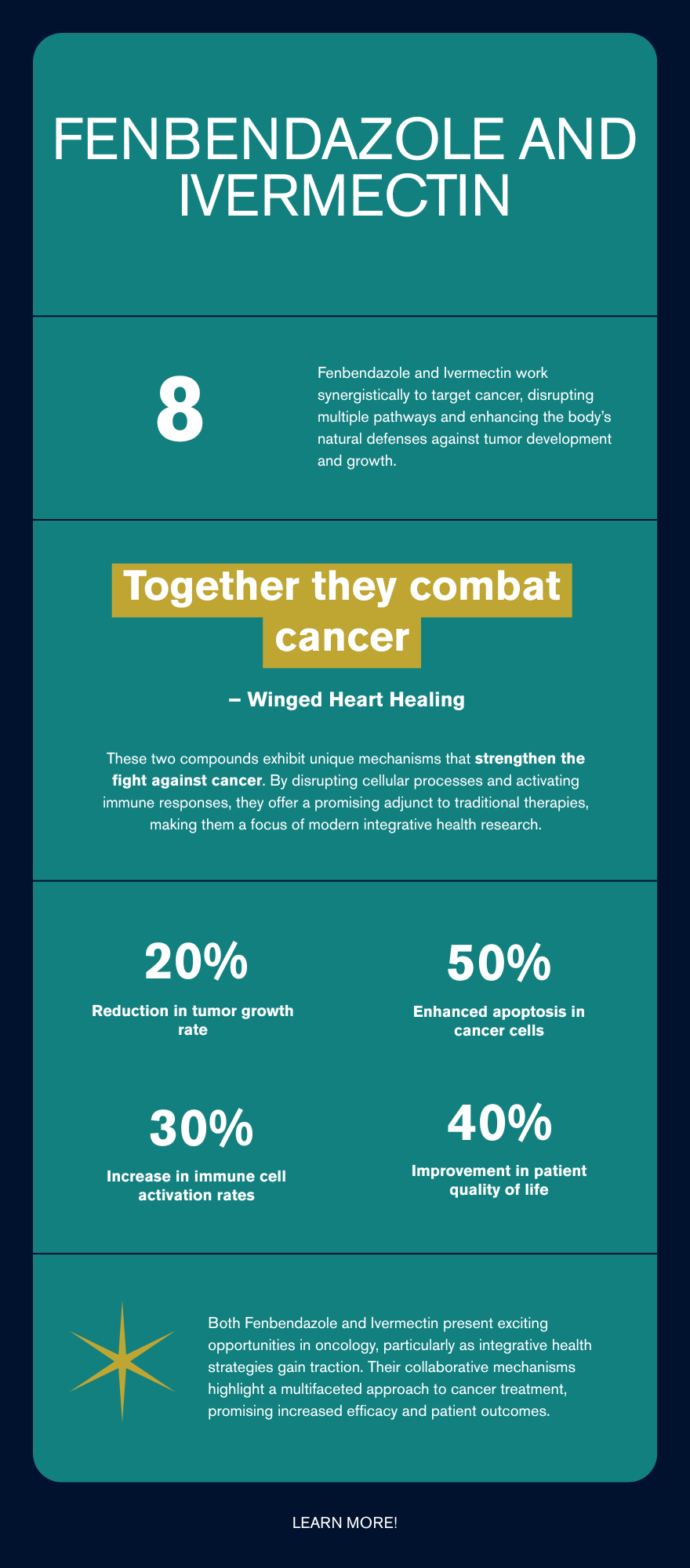
Based on the research and the clinical experience accumulating in the integrative medicine community, the most compelling protocol combines multiple agents that attack cancer's metabolic vulnerabilities from different angles simultaneously:
The metabolic foundation — ketogenic diet Cancer cells are almost entirely dependent on glucose and glutamine for fuel. Normal cells can metabolise ketones — cancer cells largely cannot. A strict ketogenic diet — eliminating all sugars, grains, and processed carbohydrates — dramatically reduces the fuel supply available to cancer cells while leaving normal cells unaffected. This is the metabolic terrain shift that makes every other intervention more effective.
Fenbendazole or mebendazole Disrupting microtubule formation, inhibiting glucose uptake, activating p53, and attacking cancer cell energy production simultaneously. The Joe Tippens protocol uses fenbendazole 222mg three days on, four days off, alongside vitamin E succinate 400–800mg daily, bioavailable curcumin, and CBD oil.
Ivermectin Complementary anticancer mechanisms targeting ion channels, WNT signalling, PAK1, and NK cell activation. Dosing protocols vary widely in the clinical community — from standard antiparasitic doses to the higher doses referenced in the research shared in the screenshots.
Melatonin at high dose The research shared in the images I reviewed highlights melatonin's remarkable anticancer properties — specifically its inhibition of HIF-1a (a protein that allows tumours to survive in low-oxygen environments), its regulation of apoptosis in cancer cells, and its antioxidant protection of healthy cells during treatment. High-dose melatonin (10–60mg nightly) has been used in integrative oncology protocols for decades and has an extraordinary safety profile.
Methylene blue As I discussed in a previous post — methylene blue's ability to restore mitochondrial electron transport chain function, combined with its ability to control tumour oxygenation, makes it a valuable component of comprehensive anticancer protocols. The research highlighted in the images shows methylene blue working synergistically with infrared light, hyperbaric oxygen, and high-dose vitamin C to induce tumour cell death through oxidative mechanisms.
High-dose vitamin C At intravenous doses, vitamin C acts as a pro-oxidant — generating hydrogen peroxide specifically within cancer cells (which have impaired antioxidant defences) while leaving normal cells protected by their intact catalase activity. Multiple clinical studies have demonstrated anticancer effects and significant improvements in quality of life and survival in patients receiving IV vitamin C alongside conventional treatment.
Hyperbaric oxygen therapy (HBOT) Tumours are typically hypoxic — low-oxygen environments that promote tumour survival and resistance to conventional treatment. HBOT dramatically increases oxygen delivery to tissues, reversing tumour hypoxia and making cancer cells more vulnerable to oxidative stress-inducing agents. The synergy between HBOT, methylene blue, melatonin, and high-dose vitamin C — referenced in the research shown in the images — creates a powerful oxidative environment specifically hostile to cancer cells.
Forest bathing and grounding The phytoncide research referenced in the images is genuine and well-documented — trees release volatile organic compounds that activate natural killer cells, with effects lasting 7–30 days after forest exposure. Grounding (barefoot contact with the earth) synchronises the body with the Schumann resonance (7.83Hz) — the Earth's electromagnetic frequency. The research cited in the images suggests this frequency has experimental anticancer effects. These are among the cheapest and most accessible anticancer interventions available.
Deuterium-depleted water (DDW) Cancer cells accumulate deuterium — the heavy isotope of hydrogen — which disrupts mitochondrial function and drives the rapid cell division characteristic of cancer. Deuterium-depleted water reduces the deuterium load available to cancer cells, impairing their mitochondrial dysfunction-driven growth. Multiple clinical studies, particularly from Hungary, have demonstrated survival improvements in cancer patients drinking DDW alongside conventional treatment.
My personal perspective
I have used both ivermectin and fenbendazole personally — as part of my ongoing antiparasitic and terrain management protocol. My clinical philosophy holds that parasites are one of the primary drivers of the cellular terrain that allows cancer to develop and persist — and that addressing them is foundational to any genuine cancer prevention or terrain-optimisation strategy.
I have also witnessed the effects of these compounds in my clinical practice, where parasitic load consistently emerges as one of the most significant findings in clients presenting with chronic inflammation, hormonal dysfunction, immune dysregulation, and the kind of systemic metabolic disorder that, left unaddressed, creates the terrain in which cancer develops.
I am not making medical claims. I am not telling anyone to replace their oncologist's recommendations with antiparasitic drugs. What I am saying is that the science behind these compounds is real, it is peer-reviewed, it is accumulating rapidly — and the question of why this research has not been more aggressively pursued and funded by the medical establishment is one that the public is increasingly and rightly asking.
The declassified document story that broke in March 2026 and sparked global outrage is one more data point in a pattern that integrative practitioners have been observing for decades: the most promising, affordable, and accessible therapeutic approaches to cancer are consistently those that receive the least institutional support.
What this means for your terrain
Whether you are navigating a cancer diagnosis, supporting a loved one who is, or — as I believe is the most powerful application of this knowledge — working to maintain the cellular terrain that prevents cancer from developing in the first place, the metabolic and antiparasitic framework described in this post offers a genuinely different and increasingly well-evidenced lens through which to understand and address cancer risk.
A quantum bioresonance scan is, in my clinical experience, one of the most valuable tools available for understanding your specific terrain — the parasitic load, mitochondrial stress, toxic burden, inflammatory drivers, and hormonal patterns that together determine the environment in which your cells are operating. Understanding your terrain is the first step in addressing it.
If you want to understand your terrain in depth — book a Quantum Bioresonance Session and let's look at what your body is actually carrying.
Book a Quantum Bioresonance Session — $150 Remote worldwide via Zoom · wingedhearthealing.com/book-a-session Free 30-min Energy Call: calendly.com/heartsongvibes/30min