The Liver — The Most Important and Most Neglected Organ in Your Body
If you are struggling with stubborn weight gain, hormonal imbalances, chronic fatigue, brain fog, digestive issues, skin problems, or a general sense that your body is running at half capacity — there is one organ that most practitioners never think to address first.
Not your thyroid. Not your gut. Not your adrenals.
Your liver.
The liver is the most metabolically complex organ in the human body — performing over 500 distinct functions that govern virtually every aspect of your health. It is also the most consistently overburdened, underappreciated, and poorly assessed organ in modern medicine. Standard liver function tests measure four enzymes and declare the liver healthy if those numbers fall within a reference range — a reference range based on population averages that includes millions of people with compromised liver function.
In my clinical practice, working with hundreds of clients across the full spectrum from chronic illness to peak performance, the liver is the organ I find most consistently burdened, most consistently overlooked by conventional medicine, and most consistently transformative when properly supported and periodically cleansed.
This post is everything I know about the liver — why it is so central to your health, how to recognise when it is struggling, what is burdening it, and what genuinely works to restore it.
What the liver actually does — and why it matters for everything

Most people know the liver is involved in detoxification. But the word detoxification vastly undersells what the liver is actually doing every second of every day.
Hormone processing and clearance — Every hormone your body produces must be processed by the liver before it can be cleared from circulation. Oestrogen, testosterone, cortisol, thyroid hormones, insulin — all of them pass through the liver for conjugation and elimination. When the liver is burdened and processing capacity is reduced, hormones are not cleared efficiently. They recirculate. They accumulate. They drive the hormonal imbalances — oestrogen dominance, high cortisol, thyroid dysfunction — that manifest as weight gain, PMS, mood disorders, sleep disruption, and the dozens of other symptoms that are routinely attributed to the hormones themselves rather than the organ responsible for clearing them.
Thyroid hormone conversion — Approximately 60% of the body's T4 thyroid hormone is converted to its active T3 form in the liver. A burdened liver produces less active thyroid hormone — driving the hypothyroid symptom picture of fatigue, weight gain, hair loss, cold intolerance, and cognitive slowness in people whose TSH levels appear completely normal. This is one of the most common and most consistently missed root causes of thyroid symptoms I encounter in clinical practice.
Blood sugar regulation — The liver is the primary organ responsible for maintaining stable blood glucose between meals. It stores glucose as glycogen when blood sugar is high and releases it when blood sugar drops. When liver function is impaired, blood sugar regulation becomes erratic — driving the energy crashes, cravings, mood instability, and insulin resistance that underlie metabolic syndrome and type 2 diabetes.
Fat metabolism and bile production — The liver produces bile — the digestive fluid stored in the gallbladder and released into the small intestine to emulsify dietary fats. Adequate bile production and flow is essential for fat digestion, absorption of fat-soluble vitamins (A, D, E, K), and the elimination of fat-soluble toxins and hormones. When bile production is reduced or bile flow is sluggish — as it consistently is in burdened livers — fat metabolism is impaired, fat-soluble nutrient deficiencies develop, and the toxic burden that should be leaving the body via bile is recirculated instead.
Protein synthesis — The liver manufactures the majority of the body's proteins — including albumin (the primary transport protein for hormones, nutrients, and medications), clotting factors, immune proteins, and the carrier proteins that transport thyroid hormones and sex hormones through the bloodstream. Impaired liver function means impaired protein synthesis — affecting everything from immune function to wound healing to hormonal transport.
Detoxification — Phase 1 and Phase 2 — The liver's detoxification process operates in two phases. Phase 1 uses cytochrome P450 enzymes to transform fat-soluble toxins into intermediate compounds. Phase 2 conjugates these intermediates with molecules like glutathione, glycine, and sulfate to make them water-soluble and excretable. When either phase is impaired — by nutritional deficiencies, toxic overload, or genetic variations in detox enzymes — intermediary toxic compounds accumulate, creating a more toxic state than the original substances.
Cholesterol synthesis and regulation — The liver synthesises approximately 80% of the body's cholesterol — the precursor molecule for every steroid hormone, for vitamin D production, for bile acid synthesis, and for the maintenance of every cell membrane in the body. The relationship between the liver and cholesterol is not the simple story of cholesterol causing disease — it is a sophisticated metabolic conversation that conventional medicine has systematically misunderstood.
The 14 signs your liver is burdened — that your doctor is not looking for
Standard liver function tests — AST, ALT, GGT, and bilirubin — measure acute liver damage. They were designed to detect liver disease in its advanced stages. They tell you almost nothing about the functional liver burden that is impairing your metabolism, your hormones, and your energy long before these enzymes become elevated.
In my clinical practice — and in my own experience — the signs of liver burden show up in the body long before they show up on a blood panel. Here is what to look for:
1. Abdominal bloating — particularly after fatty meals, or a persistent fullness and pressure in the right upper quadrant under the right ribcage where the liver sits.
2. Fatigue that is worse in the morning — the liver does its most intensive detox work between 1am and 3am according to TCM organ clock theory. A burdened liver working overtime during these hours consistently impairs morning energy and explains why so many chronically unwell people never wake feeling rested regardless of how many hours they sleep.
3. Difficulty digesting fats — nausea, bloating, or discomfort after eating fatty foods is a classic sign of insufficient bile production and flow. The liver and gallbladder are not processing fat effectively.
4. Hormonal imbalances — PMS, oestrogen dominance, irregular cycles, low libido, mood swings in the week before menstruation — all consistent with impaired hormone clearance through a burdened liver.
5. Skin conditions — acne, eczema, psoriasis, rosacea, and general skin dullness. The skin is the body's largest detox organ and it compensates when the liver is overburdened — excreting through the skin what the liver cannot process efficiently.
6. Chemical sensitivities — sensitivity to perfumes, cleaning products, alcohol, medications, or environmental chemicals is a direct reflection of compromised liver detox capacity.
7. Brain fog and poor concentration — the liver clears neurotoxic ammonia from the bloodstream. When liver function is impaired, ammonia accumulates — impairing neurotransmitter synthesis and producing exactly the mental cloudiness, poor memory, and concentration difficulties that are epidemic in modern chronic illness.
8. High cholesterol on standard testing — particularly elevated triglycerides — reflects impaired liver fat metabolism rather than dietary fat intake. The liver is not processing lipids efficiently.
9. Dark circles under the eyes — a classic TCM sign of liver and kidney stress. The skin beneath the eyes is thin enough to reflect the metabolic state of the organ systems beneath it.
10. Bitter taste in the mouth — particularly in the morning, this reflects bile reflux and impaired bile flow.
11. Tendon and ligament tightness — in TCM, the liver governs the tendons and ligaments. Chronic muscle and tendon tightness, particularly in the legs and the back of the body, often reflects liver stress.
12. Anger, irritability, and frustration — the emotional signature of the liver in TCM is anger. Chronic irritability, a short fuse, frustration, and resentment that seems disproportionate to circumstances is often a physiological signal from a burdened liver rather than purely a psychological state.
13. Night sweats and hot flashes — often attributed entirely to hormonal transition, these symptoms are also directly connected to liver burden and impaired oestrogen clearance.
14. Right shoulder and neck tension — the phrenic nerve connects the liver to the right shoulder and neck. Chronic tension in the right shoulder — particularly combined with the right upper quadrant pressure described above — is a consistent clinical sign of liver congestion.
What is burdening your liver — the root causes

Understanding why the liver becomes burdened requires understanding the scope of what it is asked to process in the modern world — a scope that far exceeds what it evolved to handle.
Parasitic infection — This is the most significant and most consistently overlooked liver burden in my clinical experience. The liver and bile ducts are a primary habitat for several of the most common parasitic organisms — Fasciola hepatica (liver fluke), Opisthorchis species, Clonorchis sinensis, Giardia, and Toxocara among them. These organisms colonise the bile ducts, impair bile flow, produce inflammatory metabolic waste directly in the liver tissue, and trigger a chronic immune response that drives hepatic inflammation. Conventional medicine almost never considers parasitic infection as a cause of liver dysfunction — standard stool tests miss the majority of hepatic parasitic infections — but in my bioresonance practice, parasitic load in the liver is one of the most consistent findings I encounter, including in people with completely normal liver enzyme panels.
Heavy metal accumulation — Mercury, lead, arsenic, and cadmium accumulate preferentially in the liver, where they impair Phase 1 and Phase 2 detoxification enzymes, disrupt mitochondrial function in hepatocytes, and generate oxidative stress that progressively damages liver tissue. Mercury in particular inhibits the sulfur-based conjugation reactions of Phase 2 detox — precisely the reactions required to clear oestrogen, cortisol, and fat-soluble toxins.
Gallstones — Most people are unaware that they have gallstones because the majority are soft, cholesterol-based stones that do not show up on ultrasound — which only detects calcified stones. Andreas Moritz, whose liver flush protocol I have personally used over 40 times, estimated that most adults in the modern world carry hundreds of soft gallstones in the bile ducts of the liver and gallbladder, impairing bile flow without ever producing the acute symptoms that bring someone to a hospital. These stones obstruct bile flow, reduce fat digestion, impair hormone clearance, and create the perfect environment for parasitic colonisation of the bile ducts.
Environmental toxins — Pesticides, herbicides (particularly glyphosate), plasticisers (BPA and phthalates), industrial solvents, synthetic fragrances, and pharmaceutical residues in the water supply all pass through the liver for processing. The cumulative daily exposure to these compounds in the modern world creates a detox burden that the liver was never designed to handle — particularly when combined with the other burdens described above.
Dietary burden — Refined fructose, industrial seed oils, alcohol, and processed food additives all place significant metabolic burden on the liver. The epidemic of non-alcoholic fatty liver disease — now affecting approximately 25% of the global adult population — is a direct consequence of the industrial food system and its effects on hepatic fat metabolism.
Emotional burden — In Chinese medicine, the liver is the organ most directly affected by unexpressed emotion — particularly anger, resentment, and frustration. Modern psychoneuroimmunology supports this ancient understanding: chronic emotional stress activates the sympathetic nervous system, drives cortisol production, and creates a physiological stress response that directly impairs liver function through its effects on blood flow, immune activation, and mitochondrial efficiency.
Why normal liver enzymes do not mean a healthy liver
This is one of the hills I am most prepared to die on as a clinician — and one of the most important pieces of information I can share with anyone who has been told their liver is fine based on a standard blood panel.
AST, ALT, GGT, and bilirubin — the standard liver function markers — are markers of hepatocyte damage. They become elevated when liver cells are actively dying and releasing their contents into the bloodstream. They are late-stage markers of serious, acute liver damage — cirrhosis, hepatitis, acute alcohol toxicity.
They tell you nothing about chronic liver burden. They tell you nothing about bile flow. They tell you nothing about Phase 1 and Phase 2 detox efficiency. They tell you nothing about parasitic colonisation of the bile ducts. They tell you nothing about gallstone load. They tell you nothing about heavy metal accumulation in liver tissue. They tell you nothing about the liver's capacity to clear hormones, process fats, or maintain blood sugar.
I have personally had over 40 liver flushes and maintained liver enzyme panels that have been completely normal throughout — while producing significant quantities of gallstones and parasitic material with each flush, experiencing dramatic improvements in energy, hormonal balance, digestion, and cognitive clarity with every cleanse, and working with a bioresonance scan that consistently showed significant liver stress that no blood test had ever reflected.
Normal liver enzymes mean your liver cells are not currently dying in large numbers. They do not mean your liver is functioning optimally. The distinction matters enormously.
What genuinely works — liver support and cleansing

The Andreas Moritz Liver and Gallbladder Flush
This is the protocol I have personally used more than 40 times and the one I recommend most consistently for deep liver clearing. It involves a preparation phase of drinking apple juice or malic acid to soften gallstones, followed by a single evening of olive oil and grapefruit juice that triggers a powerful gallbladder contraction and expels significant quantities of soft gallstones from the bile ducts.
The results are often remarkable — improved energy, reduced right upper quadrant pressure, improved digestion of fats, clearer skin, hormonal rebalancing, and a visible improvement in cognitive clarity. The protocol is described in detail in Andreas Moritz's book The Amazing Liver and Gallbladder Flush.
I want to be clear that this protocol is not for everyone and should be approached with preparation, support, and ideally guidance from a practitioner who has experience with it. It is also not a one-time intervention — the liver typically requires multiple flushes to clear the accumulated stones and debris of decades of modern life.
Bile flow support — cholagogues and choleretics
Supporting bile production and flow is the most accessible and most consistently effective daily liver intervention. Key agents include:
Dandelion root — one of the most powerful natural choleretics, stimulating both bile production and bile flow. Available as a tea, tincture, or supplement.
Artichoke leaf — strongly choleretic, also hepatoprotective and lipid-regulating. Well-studied for liver function support.
Milk thistle (silymarin) — the most researched hepatoprotective herb, protecting liver cells from oxidative damage and supporting regeneration of damaged hepatocytes.
Beet root — supports Phase 2 liver detoxification through its betaine content, also improves bile flow and supports gallbladder function.
Turmeric — anti-inflammatory, choleretic, and directly supportive of Phase 2 detox pathways. Most bioavailable in its whole root form combined with black pepper.
TUDCA (tauroursodeoxycholic acid) — a bile acid that directly improves bile flow, reduces liver inflammation, and supports mitochondrial function in hepatocytes. One of the most effective and well-researched liver support supplements available.
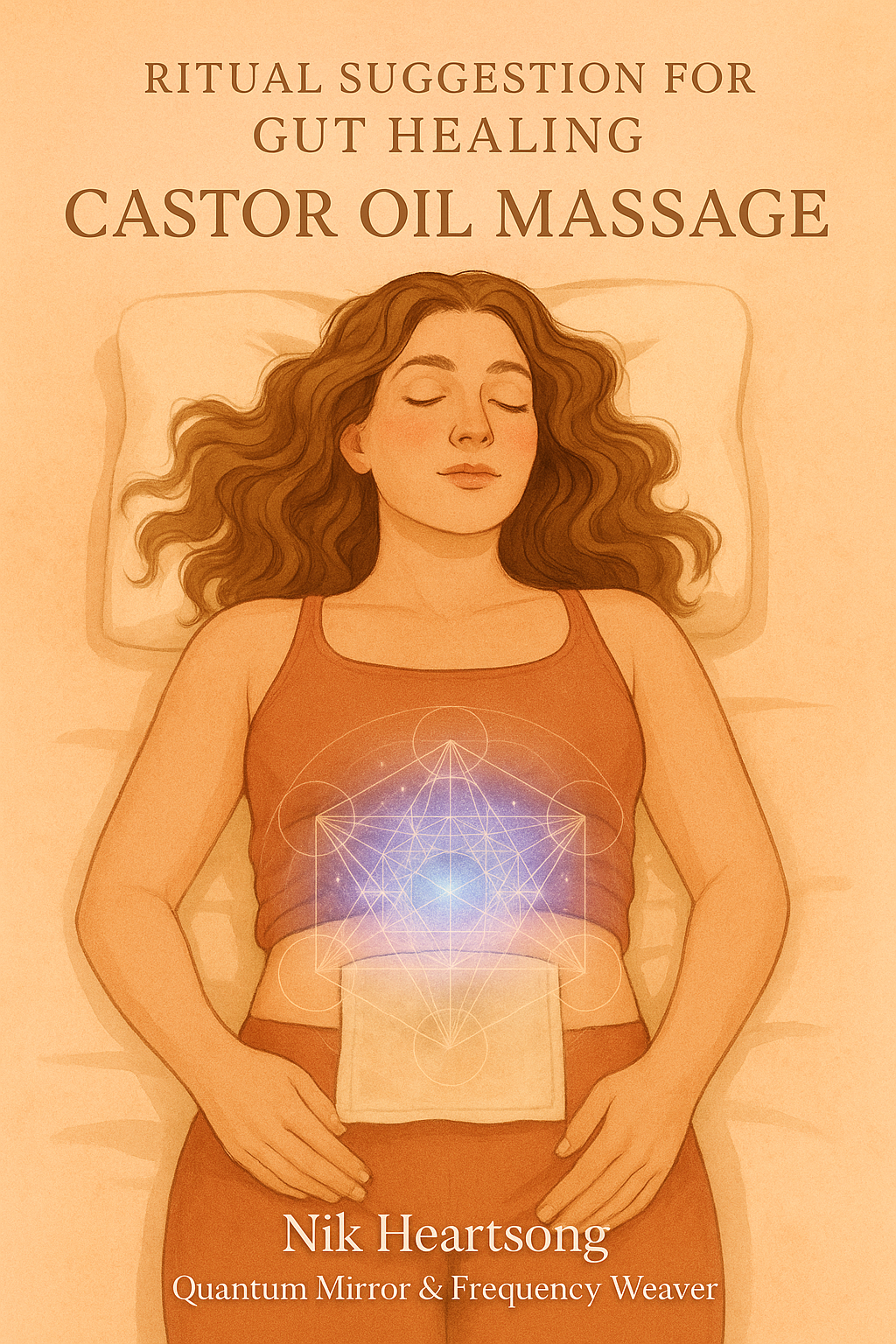
Castor oil packs
Applied over the liver area (right side of the abdomen under the ribcage) nightly, castor oil packs increase local circulation, stimulate bile flow, support lymphatic drainage, and reduce hepatic inflammation. Simple to do, deeply effective, and one of the most consistent recommendations in naturopathic medicine for liver support.
Drainage support
No liver cleansing protocol is complete without adequate drainage support — ensuring that the toxins, bile, and metabolic waste mobilised from the liver can exit the body efficiently rather than being recirculated. This means adequate hydration, regular bowel movements, lymphatic movement through exercise and dry brushing, binders (activated charcoal, bentonite clay, chlorella) to capture mobilised toxins in the gut, and kidney support through adequate hydration and herbs like nettle and parsley.
Dietary foundations
Removing the primary dietary burdens on the liver — refined fructose, industrial seed oils, alcohol, processed foods, and the inflammatory foods identified through bioresonance scanning (most commonly gluten and dairy) — creates the space for the liver to recover and regenerate without the continuous burden of processing inflammatory inputs.
Emphasising liver-specific foods — beets, leafy greens, cruciferous vegetables, lemon water on waking, high-quality sulfur-rich proteins, and healthy fats that support bile production — provides the nutritional foundation for liver regeneration.
Quantum bioresonance assessment
A bioresonance scan assesses liver function at the frequency level — reading the electromagnetic terrain of the liver, bile ducts, and gallbladder to identify the specific stressors burdening the organ, the parasitic load if present, the nutritional deficiencies impairing detox enzyme function, and the energetic and emotional patterns stored in the liver that maintain its burdened state. This allows for a genuinely personalised liver support protocol rather than a generic approach.
The liver and your healing journey

In my clinical experience, the liver is almost always involved in chronic illness — not always as the primary driver, but consistently as a contributing factor and almost always as a prerequisite for full recovery. A body trying to heal from Lyme disease, parasitic infection, hormonal imbalance, autoimmunity, or chronic fatigue while carrying a burdened liver is fighting with one hand tied behind its back — because the primary organ responsible for clearing the inflammatory burden of healing is itself compromised.
When I support the liver properly — through targeted bioresonance frequency treatment, bile support, periodic cleansing, parasite clearing, and nutritional foundation — the pace of healing in every other system accelerates. Energy improves. Hormones rebalance more readily. The nervous system shifts more easily toward parasympathetic coherence. The immune system regulates more effectively. Cognitive clarity returns.
The liver is not one organ among many. It is the metabolic foundation on which all other healing depends.
If you want to understand the specific burden your liver is carrying — and what your body actually needs to restore it — book a Quantum Bioresonance Session and let's look at your terrain together.
Book a Quantum Bioresonance Session — $150 Remote worldwide via Zoom · wingedhearthealing.com/book-a-session Free 30-min Energy Call: calendly.com/heartsongvibes/30min