
There is a particular kind of silence that falls when a diagnosis lands. The room goes quiet. The words autoimmune, chronic, incurable, cancer, lifelong management hang in the air, and something inside you contracts. I know that silence. I have lived inside my own version of it.
So I want to speak to you the way I would speak to myself — not from a place of fear, but from the deep knowing that the body is not betraying you. It is asking you for something. An autoimmune flare is the body turning its immense intelligence inward, confused about what is self and what is threat. Our work is not to suppress that intelligence. It is to help the body remember.
What follows is what I would do — what I have done in my own healing — to support the terrain beneath an autoimmune storm. If you have been diagnosed with an extreme autoimmune condition, you need a relationship with a doctor you trust, and the foundational protocol they offer you matters. What I am sharing here is the terrain work — the soil beneath the plant — that I believe can run alongside good medical care and help your body find its way home.
Take what resonates. Leave what does not. And please, move through all of this with your own support team beside you.
First, the Reframe: Autoimmunity as a Terrain Story
Conventional medicine names the disease — Hashimoto's, lupus, rheumatoid arthritis, cancer, MS, psoriasis, Crohn's — and reaches, understandably, for suppression. And sometimes suppression is genuinely necessary and life-saving.
But underneath the named condition, there is almost always a terrain that has been struggling for years: a gut wall that has become permeable, a liver carrying more than it can clear, a nervous system locked in survival, a body depleted of the raw materials it needs to regulate itself, and an immune system that has lost its sense of orientation.
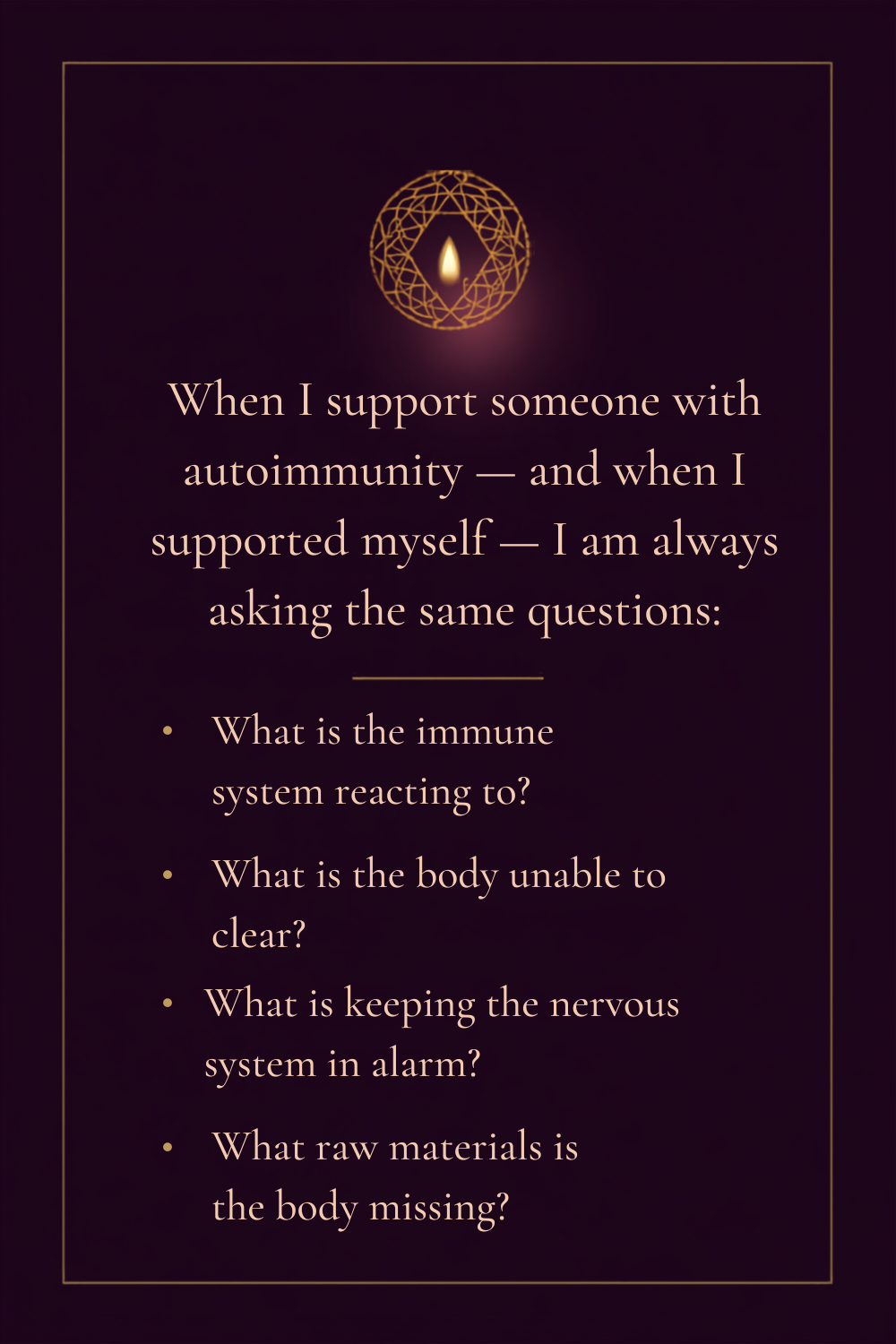
When I support someone with autoimmunity — and when I supported myself — I am always asking the same questions:
What is the immune system reacting to? (the gut, hidden infections, environmental load)
What is the body unable to clear? (liver, lymph, detox pathways)
What is keeping the nervous system in alarm? (stress, trauma, blood sugar, sleep)
What raw materials is the body missing? (minerals, fat-soluble vitamins, protein)
The protocol below is built around answering those four questions. This is the rhythm I would return to.
The Morning Ritual: How I Would Begin Each Day

The way you begin the day sets the tone for your whole physiology. This is the sequence I would move through — every single morning, without exception.
Fibrolytic Enzymes — Upon Waking, Empty Stomach
Before water, before food, before anything else — serrapeptase and nattokinase on a completely empty stomach. These two fibrolytic enzymes are among the most important tools I know for breaking down the fibrotic debris, granulomatous tissue, and inflammatory residue that accumulates in a body under chronic immune assault. They must be taken in isolation — the moment you eat, they digest the food rather than the fibrous tissue. I give them thirty to sixty minutes before anything else enters my system.
Oil Pulling — 20 Minutes
Still on that empty stomach, I take a spoonful of organic coconut oil with a single drop of clove oil and swish gently for a full 20 minutes. The mouth is one of the most overlooked terrains in autoimmunity — the oral microbiome speaks directly to the immune system, and low-grade oral inflammation can keep the whole body on alert. Coconut oil's lauric acid and clove's eugenol create a gentle antimicrobial sweep, drawing the mouth back toward balance.
I do this while I move through the rest of my morning so the 20 minutes never feels like waiting. Spit into the bin (never the sink), rinse with warm salt water, and only then drink.
The Morning Liver Shot
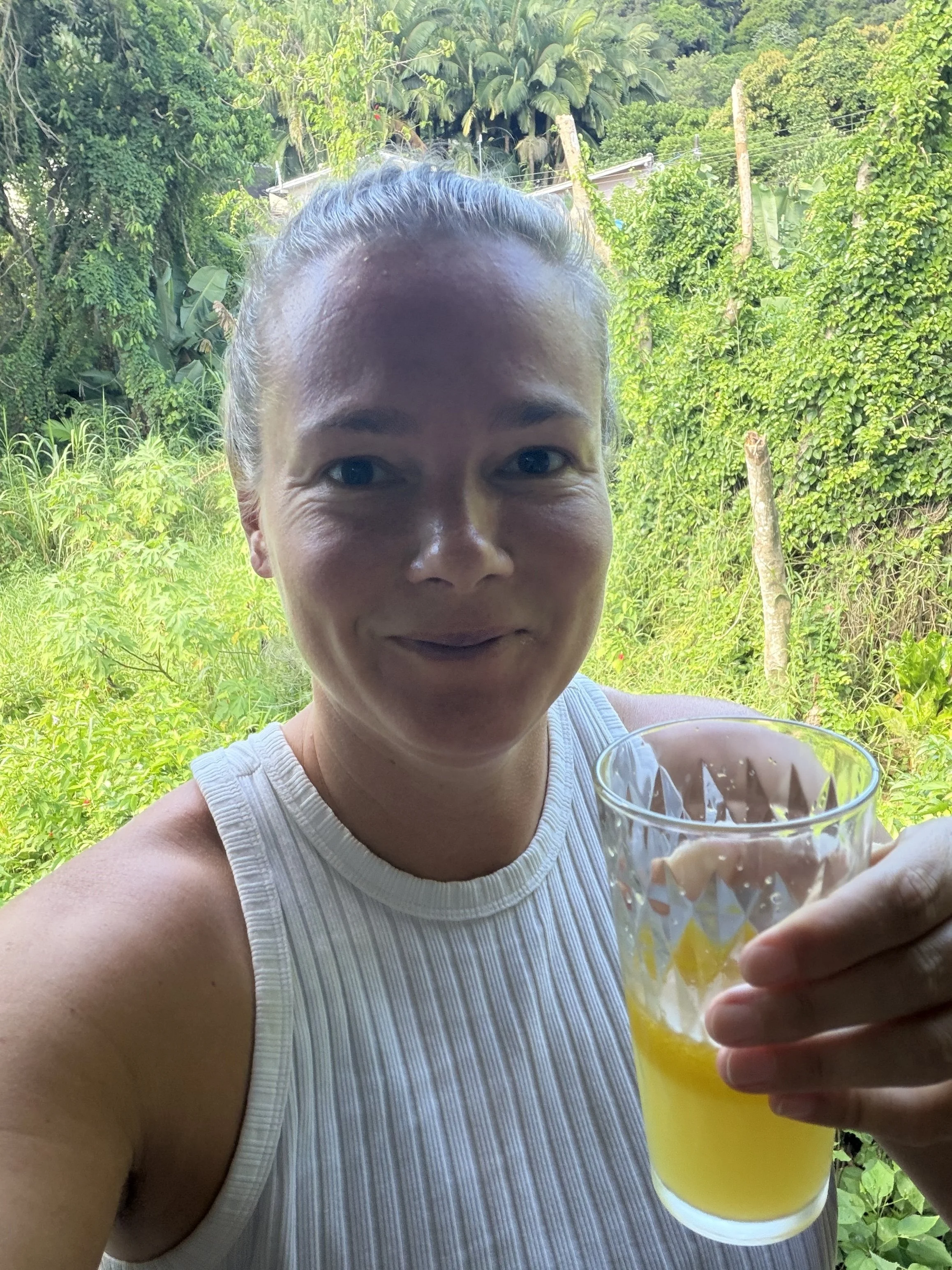
A small glass of cold-pressed olive oil with fresh citrus (lemon or grapefruit). This nudges the gallbladder to contract and bile to flow — and bile is one of the body's primary routes for carrying out what the liver has packaged for removal. In autoimmunity, where the toxic load on the liver is often high, keeping bile moving is foundational.
The Vibration Plate — Waking the Lymph
Ten minutes on a whole-body vibration plate first thing. Here is the thing about the lymphatic system: unlike the blood, it has no pump. It relies entirely on movement, breath, and muscle contraction to flow. In autoimmunity, sluggish lymph means immune complexes and inflammatory debris linger where they should be cleared. The vibration plate is one of the gentlest ways I know to mobilize lymph when the body is too inflamed or fatigued for vigorous exercise.
If you do not have a plate, rebounding on a small trampoline — even gentle bouncing — does the same beautiful work.
Dry Brushing — Before the Shower
With a natural bristle brush, I would brush the skin in long strokes always toward the heart — starting at the feet and moving up, then the arms toward the armpits, then the abdomen in a clockwise circle. This stimulates the superficial lymphatic network that sits just beneath the skin, exfoliates, and brings a quiet, grounding awareness to the body. Two or three minutes. Then a shower, ending with a burst of cool water to tone the vessels.
The Anti-Inflammatory Foundation: Building the Terrain
Autoimmune conditions live and die by inflammation. Much of my daily supplement rhythm is built to lower the inflammatory tone of the whole system and supply the body with what it needs to self-regulate. Everything here I would run past my own practitioner first — supplements interact with medications, and autoimmune protocols especially require individual guidance.
The Core Anti-Inflammatory Botanicals
Curcumin — with black pepper and always taken with fat. One of the most researched natural anti-inflammatories available, calming NF-κB and the same inflammatory pathways many medications target. I take this twice daily at meaningful doses — it is a cornerstone, not an afterthought.
Resveratrol — supports a balanced inflammatory response, healthy cellular aging, and has antifibrotic effects in the liver specifically. Best taken with a fat-containing meal for absorption.
Saffron — quietly anti-inflammatory and a genuine lift for the spirit, which matters more than we admit in chronic illness. The nervous system's relationship with autoimmunity is profound.
Cat's claw(una de gato) — a traditional immune-modulating botanical with macrophage-activating and anti-inflammatory properties. I treat this one with care in autoimmunity and always with practitioner guidance, because immune modulation is what we want, not blunt stimulation.
Oregon grape root — contains berberine, which has anti-inflammatory, antimicrobial, and anti-Leishmania properties. Particularly relevant if there is a suspected parasitic driver to the immune dysregulation.
Juniper berry — a gentle urinary and lymphatic antimicrobial, supporting the drainage pathways that need to stay open during active immune work.
Mastic gum — deeply healing to the gastric and duodenal mucosa, taken on an empty stomach. The gut lining is everything in autoimmunity, and mastic gum is one of the most targeted tools I know for restoring it.
Binder+ — with chlorella, activated charcoal, and molybdenum to pull out toxins and heavy metals
Modified Citrus Pectin — to bind and clear heavy metals and toxins
The Minerals and Vitamins That Form the Soil
So much of autoimmune dysregulation traces back to depletion. You cannot build a regulated immune system out of empty shelves.
Vitamin D3 with K2 — perhaps the single most important nutrient in autoimmunity; low vitamin D is found again and again in autoimmune conditions, and D is a master regulator of immune tolerance. I take 10,000 IU with K2 200mcg daily — always with fat.
Magnesium glycinate — the great calmer; depleted by chronic stress and essential to hundreds of regulatory processes. Take at night for its relaxing, sleep-deepening effects.
Omega-3 fatty acids — the raw material from which the body builds its anti-inflammatory messengers. I prioritize wild fish and take concentrated EPA/DHA daily.
Selenium — a quiet but essential cofactor for immune regulation, thyroid support, and glutathione production.
Zinc — essential for T-cell development, macrophage function, IgA production, wound healing, and the gut wall integrity that underpins immune tolerance. Most people with chronic immune conditions are significantly depleted.
B12 methylcobalamin — sublingual, for maximum absorption. Critical for nerve repair, remyelination, and energy metabolism. Chronic illness depletes it constantly.
Benfotiamine (fat-soluble vitamin B1) — specifically supports the peripheral nervous system and is valuable for anyone with neuropathic symptoms accompanying their autoimmune picture.
Alpha lipoic acid — a regenerative antioxidant that repairs vitamins C and E, supports mitochondrial function, and is neuroprotective.
A full-spectrum approach to fat-soluble vitamins (A, D, E, K) — because a struggling gut and liver often cannot absorb or activate them well.
The Liver and Cell Membrane Foundation
TUDCA — one of the most important supplements I take daily. It protects bile duct and liver cell integrity, supports bile flow, and is directly hepatoprotective during any period of intensive detoxification. Twice daily, morning and evening.
Milk thistle (silymarin) — liver cell regeneration and protection. Twice daily alongside TUDCA.
Phosphatidylcholine (PC) — rebuilds every cell membrane in the body, including the liver cells doing the heavy work of detoxification. Most people under chronic inflammatory burden are profoundly depleted of PC, and the difference when you replete it is palpable.
NAC (N-acetylcysteine) — the precursor to glutathione, taken on an empty stomach away from meals. Glutathione is the body's master antioxidant and detox compound, and building it back is one of the most important things you can do in autoimmunity.
EGCG (green tea extract) — antifibrotic, anti-tumor, inhibits TGF-beta driven fibrosis. Particularly valuable when there is lymphatic or hepatic fibrotic burden.
Quercetin — mast cell stabilizer, anti-inflammatory, synergizes with the broader protocol for immune regulation.
Modified citrus pectin — specifically blocks the lectin-binding sites that allow inflammatory cells to adhere and accumulate in tissue. Anti-metastatic and anti-inflammatory.
Sulforaphane (from broccoli sprouts or supplement) — activates the NRF2 pathway, which is the master switch for the body's own detoxification and antioxidant capacity.
For the Gut Wall — The Foundation of Everything
L-glutamine on an empty stomach — the primary fuel for intestinal epithelial cells. I take this before bed, and the effect on gut wall integrity over time is significant.
Glycine — collagen synthesis, liver support, and remarkably good for sleep quality.
Lion's mane mushroom — neurogenesis, nerve growth factor stimulation, and gut-brain axis support. The gut has its own nervous system, and lion's mane speaks to both.
Hormonal Regulation
Vitex (chaste tree berry) — supports progesterone production through pituitary LH stimulation. Autoimmunity and hormonal dysregulation are deeply entwined — this is particularly relevant for women navigating both simultaneously.
Saffron — as above, hormonal and emotional support.
The Question I Would Ask That Most Practitioners Won't: Is There a Parasitic Driver?
This is the part of the conversation that conventional autoimmune medicine almost never has — and the part I believe matters most.
In my clinical experience working with hundreds of clients presenting with chronic immune dysregulation, autoimmune conditions rarely exist in isolation. Beneath them, again and again, I find parasitic burden — chronic helminth infections, intestinal protozoa, tissue-migrating larvae — quietly driving the immune confusion that eventually gets named as an autoimmune disease.
This is not a fringe idea. The hygiene hypothesis — now extensively researched — proposes that the dramatic rise in autoimmune conditions in the industrialised world is directly linked to the near-elimination of parasitic organisms from the human gut. Parasites, it turns out, are profound regulators of immune tolerance. In their absence, the immune system loses its calibration and begins to turn on the self.
But there is another layer beyond the hygiene hypothesis, and it is the one I have come to understand most deeply through my bioresonance work: active, undetected parasitic infection is one of the most common drivers of the immune dysregulation that underlies autoimmune disease. The immune system is not confused for no reason. It is responding to something — and that something is often parasitic.
If I were diagnosed with an extreme autoimmune condition, the first question I would ask is: what is my parasitic terrain? A quantum bioresonance scan is, in my practice, one of the most revealing tools for understanding this — identifying the specific organisms driving immune activation well before they would be detectable on conventional testing.
The Repurposed Compounds I Would Seriously Investigate: Fenbendazole and Ivermectin
I want to be transparent here — this is the most unconventional part of what I am sharing, and I want you to receive it in the spirit it is offered: as my honest personal and clinical perspective, not as medical advice, and absolutely not as a reason to abandon any treatment your doctor has prescribed.
With that said — if I were facing an extreme autoimmune condition, I would be having a serious conversation with an open-minded practitioner about fenbendazole and ivermectin. Not primarily for their antiparasitic effects, though those matter enormously. For what the emerging research is beginning to show about their broader effects on immune regulation, cellular signalling, and inflammatory pathways.
(I have written in depth about the research behind these compounds in my post The Repurposed Antiparasitic Drugs That Are Quietly Changing the Cancer Conversation — which I would encourage you to read alongside this one for the full mechanistic picture.)
Fenbendazole — Beyond the Gut
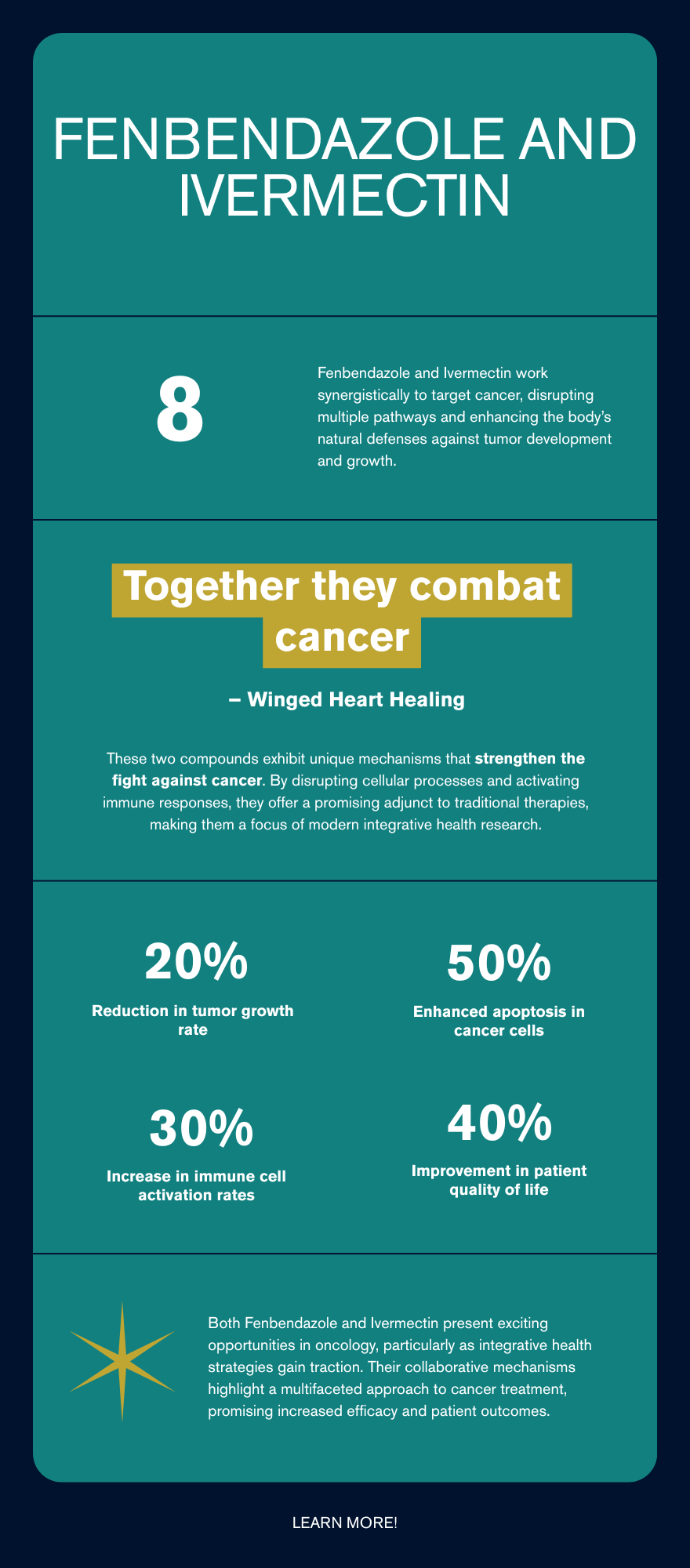
Fenbendazole is a benzimidazole antiparasitic primarily known as a veterinary deworming agent. Its anticancer properties — particularly its ability to inhibit glucose uptake, activate tumour suppressor p53, and disrupt microtubule formation — have gained significant research attention and public awareness through the Joe Tippens case.
What is less widely discussed is its potential relevance to autoimmunity through the same mechanisms:
Fenbendazole disrupts the Warburg-like metabolic reprogramming that occurs in chronically activated immune cells — the same glucose-dependent metabolic shift that drives persistent immune activation in autoimmune conditions
It has demonstrated anti-inflammatory effects through NF-κB pathway inhibition — the same central inflammatory signalling hub implicated in virtually every autoimmune condition
Its microtubule-disrupting mechanism affects the cytoskeletal organisation of immune cells — which may have relevance to the aberrant immune activation patterns seen in autoimmunity
If parasitic burden is a driver — which I believe it frequently is — fenbendazole's broad-spectrum antiparasitic action addresses a root cause directly
The protocol that much of the integrative community has been working with — 222mg of fenbendazole three days on, four days off — is taken alongside vitamin E succinate (not regular vitamin E), curcumin, and a fat-containing meal for maximum absorption. This is the framework I would explore as a starting point, always in conversation with a practitioner.
Ivermectin — An Immune Regulator in Plain Sight
Ivermectin received the 2015 Nobel Prize in Physiology or Medicine. It has been used safely in humans for four decades with over four billion doses administered worldwide. Most people think of it purely as an antiparasitic. The research tells a more interesting story.
Ivermectin's relevance to autoimmunity comes from its immunomodulatory properties:
It has demonstrated significant anti-inflammatory activity, reducing the production of pro-inflammatory cytokines including IL-6, IL-1β, and TNF-α — the same cytokine patterns that drive many autoimmune conditions
Research has shown ivermectin inhibits NF-κB activation — the master inflammatory signalling switch — through multiple mechanisms
It modulates the balance between Th1 and Th2 immune responses — the very imbalance that underlies many autoimmune conditions, where dysregulated immune polarisation drives self-attack
It has potent antiviral properties — increasingly relevant given the growing evidence linking viral triggers (EBV, CMV, enteroviruses) to autoimmune initiation and flaring
And if there is a parasitic driver beneath the autoimmune picture — which my bioresonance work consistently suggests there is — ivermectin is one of the most broad-spectrum antiparasitic compounds available, reaching tissue-migrating larvae that most other compounds cannot
The combination of fenbendazole and ivermectin is particularly interesting because they operate through complementary and partially synergistic mechanisms — targeting immune dysregulation and its potential parasitic drivers through different pathways simultaneously. I use both as part of my own ongoing terrain management protocol.
How I Would Approach This
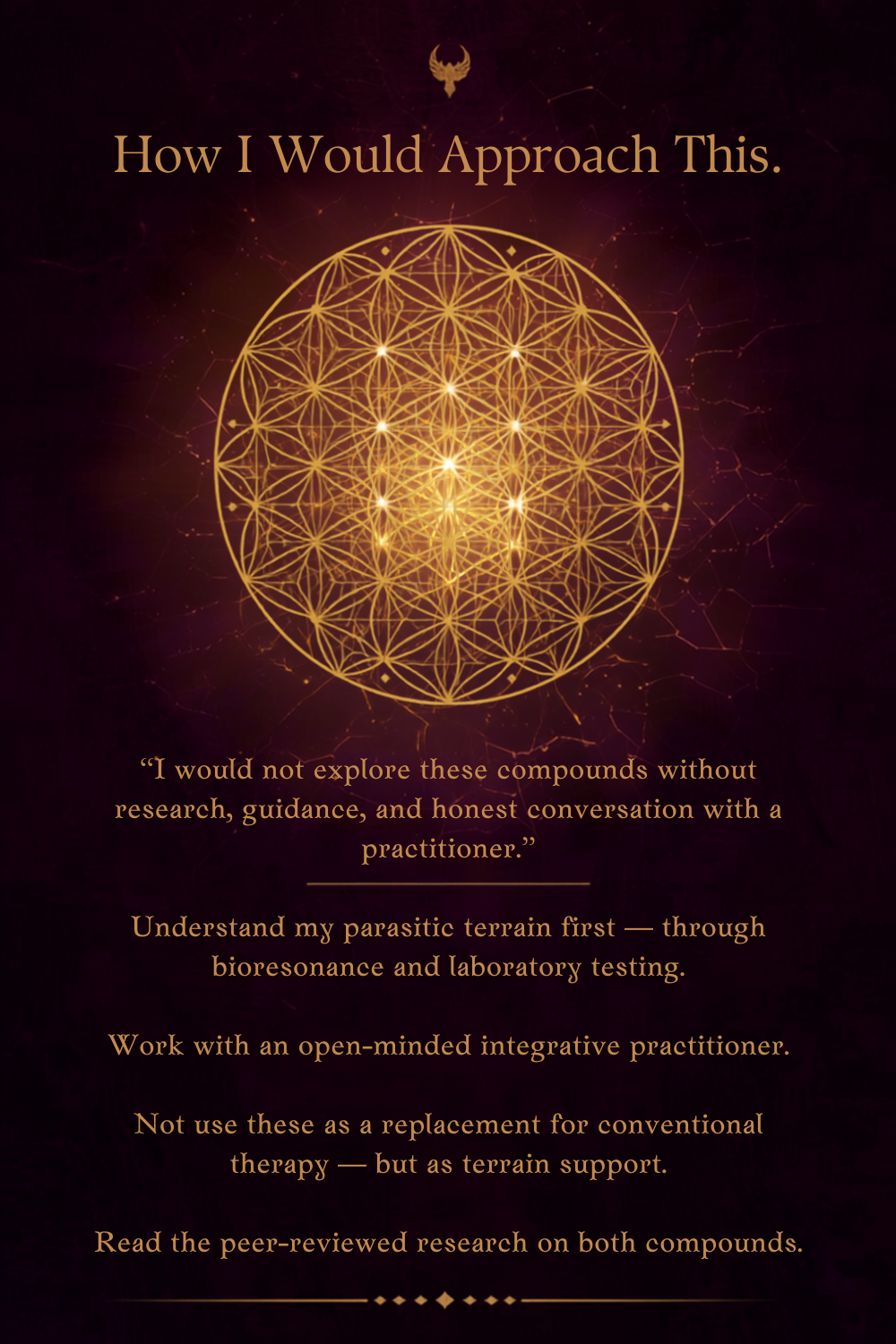
I would not explore these compounds without research, guidance, and honest conversation with a practitioner. What I would do is:
Understand my parasitic terrain first — through bioresonance and laboratory testing where possible
Work with an open-minded integrative or functional medicine practitioner willing to consider these compounds within a broader protocol
Not use these as a replacement for immunosuppressive therapy if my condition genuinely required it — but explore whether they could support the terrain while conventional treatment managed the acute situation
Read the research — including the growing body of peer-reviewed literature on both compounds, which I have covered in depth in the cancer protocol post linked above
Restoring the Lymph and the Detox Pathways
Beyond the morning lymph work, several practices anchor my week and keep the body's drainage systems open. In autoimmunity, inflammation is always, in part, a drainage problem.
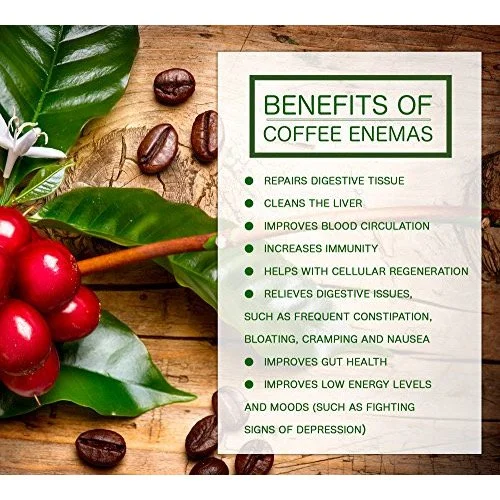
Coffee Enemas — 3x Per Week
I know, I know. But few practices have served my own detoxification as faithfully. A properly prepared organic coffee enema stimulates the liver to release bile and dramatically increases the production of glutathione — the body's master antioxidant and one of its most important tools for clearing inflammatory and toxic load. For a body carrying the burden of autoimmunity, supporting glutathione is profound.
Three times per week, in a calm and unhurried way, with clean organic coffee and filtered water at body temperature. (If you are new to this, please research the method carefully and begin gently.)
Manual Lymphatic Drainage
Whenever I can — a session of manual lymphatic drainage with a skilled practitioner using the Vodder technique, or my own self-massage at home — always working toward the heart, always gentle. For anyone dealing with abdominal or pelvic congestion specifically, deep abdominal MLD focused on the cisterna chyli region is among the most powerful physical interventions available. Help the river flow.
Diaphragmatic Breathing — Every Hour
This sounds simple and it is. But the cisterna chyli — the primary lymphatic collecting vessel of the entire abdomen — is pumped by the diaphragm. Every slow, full belly breath physically compresses and releases that vessel, driving lymph upward. Ten deep diaphragmatic breaths every hour, lying down when possible. This is not a wellness suggestion in an inflamed body. It is a direct mechanical pump for the lymphatic system.
The Evening Ritual: Deep Repair

The body does its deepest healing in rest, and autoimmune bodies are so often running on a frayed, over-activated nervous system. The evening is where we signal safety.
The Infrared PEMF Mat — 1 Hour (I use one from Higher Dose)
Before sleep, I lie on an infrared PEMF mat for one hour. The gentle warmth of far-infrared eases tissue, supports circulation, and helps the body release. PEMF — pulsed electromagnetic field — is a tool I love for the way it seems to help cells recover their charge and vitality, and for how deeply it settles the nervous system. This single hour became, for me, a daily act of devotion — a time to breathe, to be still, to let the body drop out of survival and into repair.
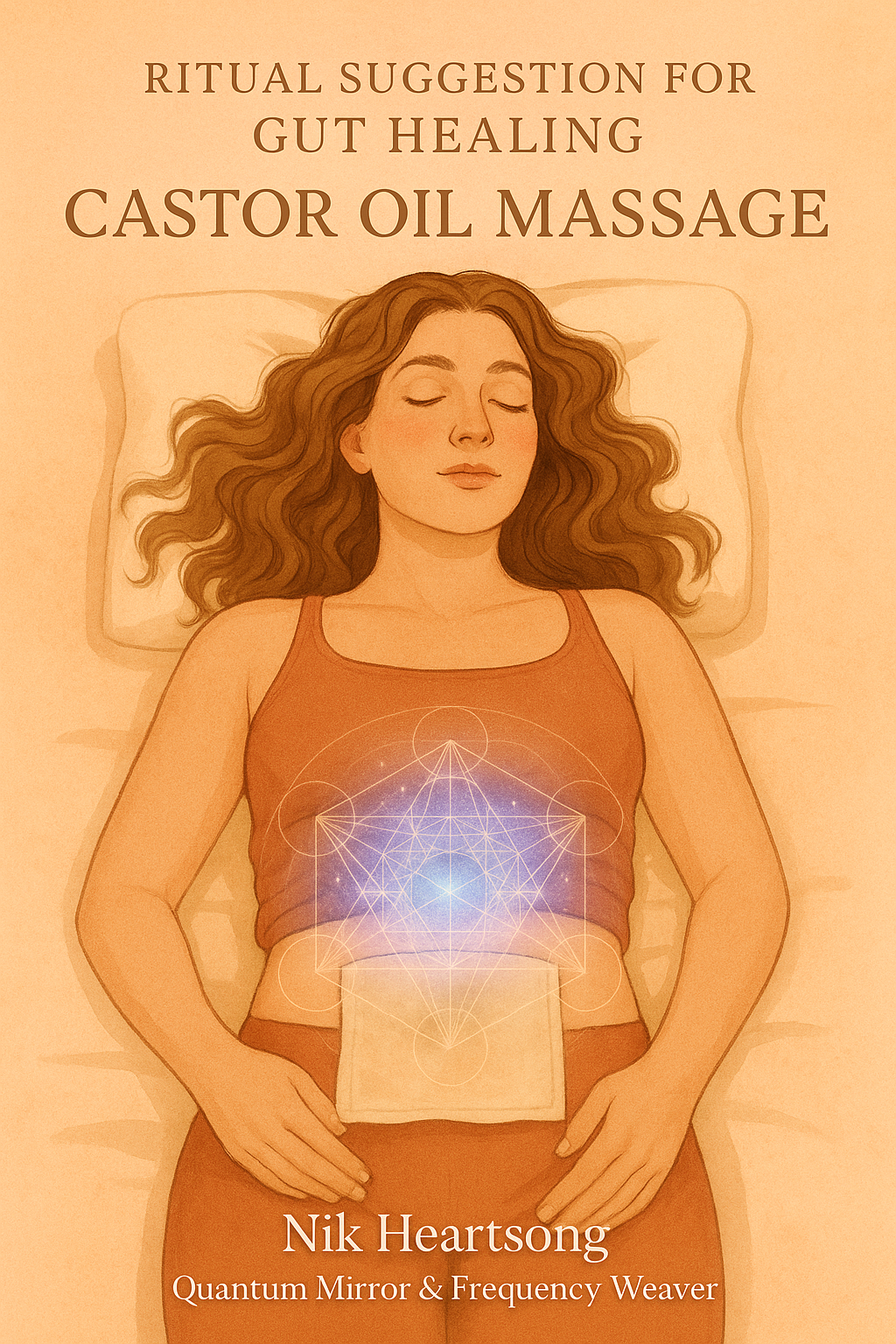
Castor Oil Packs
While on the mat — a warm castor oil pack over the liver and abdomen. The anti-inflammatory and lymphatic-stimulating properties of castor oil applied topically are well-documented in integrative medicine. Over the liver specifically, it promotes bile flow and reduces hepatic inflammation. Over the abdomen and pelvis, it supports lymphatic drainage of the pelvic organs. I use frankincense oil beneath the castor oil pack for its deep tissue anti-inflammatory boswellic acid content.
Nervous System Regulation
Slow diaphragmatic breathing, a guided meditation, or simply silence. Autoimmunity has a profound relationship with the stress response — a body that never feels safe cannot call off its own alarm. Whatever helps you signal safety — breath, prayer, gentle sound, the warmth beneath you — is not a luxury. It is medicine.
Melatonin at Meaningful Doses
This deserves more attention than it typically receives. Melatonin at higher doses (I work up to 20–40mg nightly over several weeks) has significant anti-inflammatory, antioxidant, and immune-regulatory properties. It inhibits NF-κB. It reduces pro-inflammatory cytokine production. It supports mitochondrial function and has a remarkable safety profile even at higher doses. It also, of course, protects sleep — and sleep is when the immune system recalibrates. I protect it fiercely.
Magnesium and Sleep
A final dose of magnesium glycinate, glycine, and an environment built for true rest — cool, dark, screen-free. The combination of magnesium and glycine together is deeply calming to the nervous system and supports the slow-wave sleep in which most tissue repair occurs.
The Nutritional Foundation: Eating to Quiet the Storm
I cannot overstate this: for many people with autoimmunity, food is the single most powerful lever. A permeable, inflamed gut is the soil from which so much autoimmunity grows — when undigested proteins and microbial fragments cross the gut wall, the immune system learns to attack, and that confusion can spill over into self-attack.
This is the way of eating I would return to:
Remove What Inflames
Gluten — for many autoimmune bodies, the single most important removal; its structure can confuse an already-confused immune system
Dairy, refined sugar, processed seed oils, and legumes — common drivers of gut permeability and inflammation
Build the Gut Back
Bone broth daily — the glycine, gelatin, and collagen are direct building material for the gut lining
Fermented foods as tolerated, and a thoughtful probiotic, to restore the microbial diversity that teaches the immune system tolerance
L-glutamine on an empty stomach — fuel for the cells that line and seal the gut wall
BPC-157: peptide for regeneration and healing of cell membranes and gut lining
Nourish Deeply
Clean proteins — pastured eggs, wild fish, well-sourced meat — the raw material for repair
Abundant non-starchy vegetables — fiber for the microbiome, minerals for the soil, color for the cells
Healthy fats — avocado, olive oil, coconut, the fats that calm inflammation and carry the fat-soluble vitamins home
I personally thrive on a nutrient-dense, low-inflammatory way of eating built around whole animal proteins, generous healthy fats, and a rainbow of vegetables — what some would call a clean ketogenic or paleo-aligned approach. But the deeper principle is simple: eat what your body can recognize, and remove what confuses it.
The bulletproof coffee I begin my mornings with — organic coffee blended with grass-fed butter and MCT oil — is not a luxury. It is a metabolic tool that supports mitochondrial function, bile flow, and sustained cognitive clarity. Fat-soluble supplements absorbed alongside it. The body fuelled and ready before the demands of the day arrive.
A Word on Pacing — and on Hope
If you try to do all of this at once, you will exhaust yourself, and exhaustion is the enemy of healing. Begin with one or two practices. Let them become natural. Add the next. Healing from autoimmunity is not a sprint toward a finish line — it is a slow turning of the soil, season after season, until one day you notice the storm has quieted and you did not even see the exact moment it lifted.
And let me say the thing I most want you to hear: a diagnosis is not a destiny. The body is endlessly intelligent and endlessly forgiving. Given the right terrain — clean fuel, open drainage, deep rest, a regulated nervous system, and the raw materials it has been missing — it will reach, always, toward balance. Your work is to give it those conditions, and then to trust.
Walk this path with your doctor beside you. Let the medical care and the terrain work hold hands. And be gentle with yourself in the meantime — you are not broken. You are becoming.
With so much love,
Nik 🤍
Nik Heartsong is a Quantum Bioresonance and Holistic Detox Therapist and the founder of Winged Heart Healing. She works remotely with clients worldwide and in person in Florianópolis, Brazil. Book a session at wingedhearthealing.com/book-a-session
A loving and necessary disclaimer:This article reflects my personal philosophy and my own healing journey. It is offered for educational and inspirational purposes only and is not medical advice, nor a substitute for diagnosis or treatment by a qualified healthcare provider. Autoimmune conditions are serious and require proper medical care. Nothing here should be used to delay, replace, or alter treatment prescribed by your doctor. Many supplements and practices can interact with medications or be inappropriate for specific conditions — always consult your physician before making changes, especially if you have been diagnosed with an autoimmune disease or take any medication. The discussion of fenbendazole and ivermectin reflects emerging research and personal clinical perspective — these are not approved treatments for autoimmune conditions and should only be explored under appropriate medical supervision. Please walk this path in partnership with your medical team.