Daughter, son, beloved soul — come inside. The lamps are lit, and there is a seat for you here.
There was a time, long before the world divided the sacred from the scientific, when every civilization on this Earth understood the same truth in its own tongue: the body is not separate from the field it moves through. Illness was never only mechanical. Healing was never only chemical. Across the ancient world — from the Nile to the Indus, from Sumer to the highlands of the Maya, and further still, in the older memory some of us carry of a world before this one — the healer's task was the same: to listen to the frequency beneath the symptom, and to restore what had fallen out of harmony.
I want to walk you through that world. Slowly. Reverently. And then I want to show you how that same medicine — the oldest medicine there is — is alive again now, in a modern form, waiting for a body in transition like yours.
Egypt: The Temple as Hospital, the Dream as Diagnosis
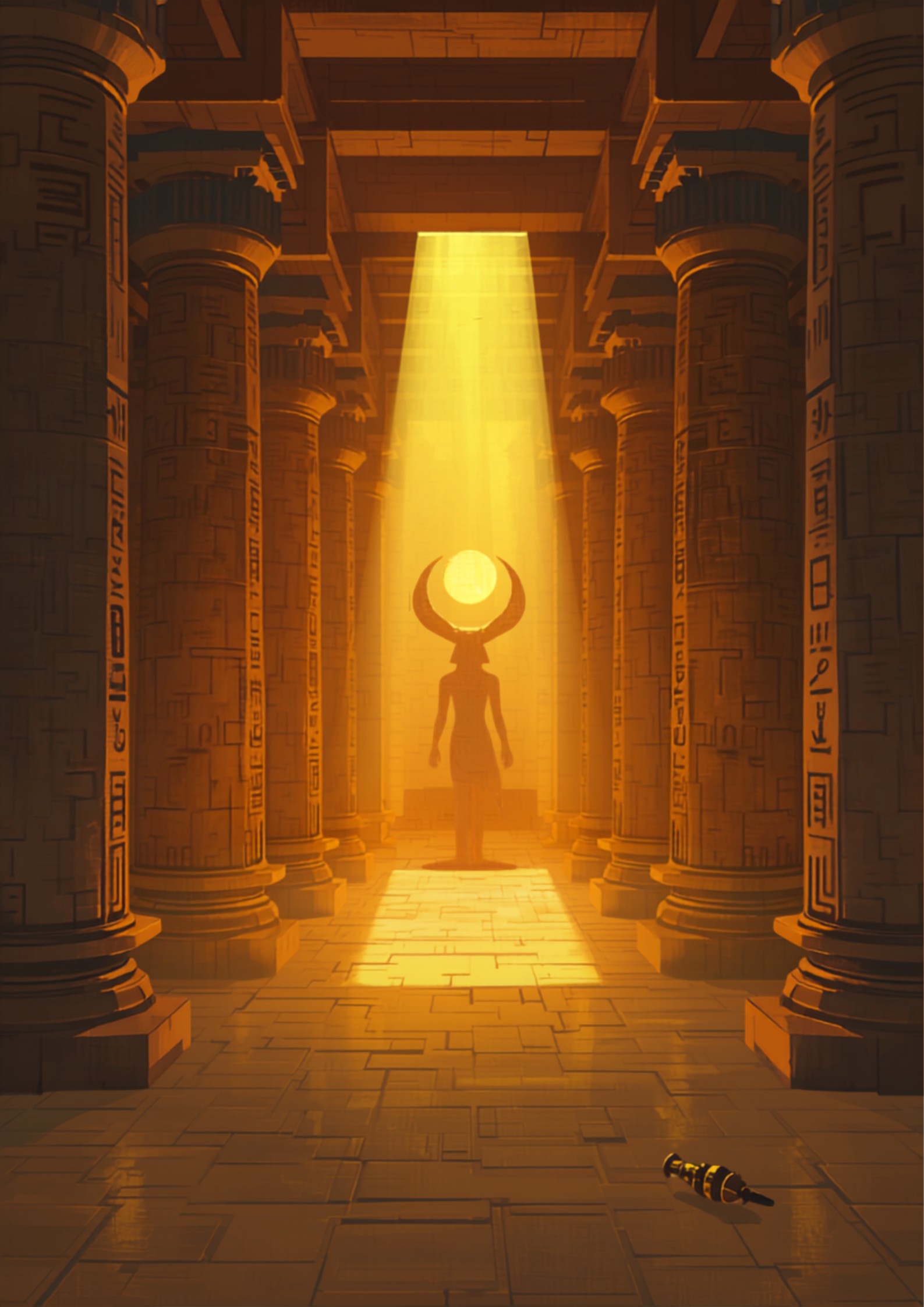
We begin where I most often begin, because it is the tradition I feel closest in my bones: ancient Egypt, where the temple and the hospital were never two buildings, but one.
At Dendera, at Kom Ombo, at the temples of Sekhmet scattered along the Nile, the sick did not arrive seeking a diagnosis from a stranger's mouth. They arrived seeking incubation — a night of sacred sleep inside the temple precinct, where the god was believed to speak directly through the dreaming body. The priest-physician's role was not to override this message but to interpret it — to translate what the body already knew into a plan of herb, oil, chant, and ritual.
Our physicians were priests because illness itself was never considered separate from the soul's condition. A blocked liver was not only a blocked liver — it was also, often, a blocked truth, a grief not yet spoken, an old debt of the spirit asking to be witnessed. Myrrh and honey dressed the wound; the sistrum's rattle broke the stagnant field around it. Natron — the same mineral salt used in mummification — was used in life for purification, understood as capable of drawing density and decay out of a body still very much breathing.
And above all of this stood Hathor, and her fiercer twin, Sekhmet. Hathor: goddess of joy, music, love, and the sacred mirror, whose priestesses were trained as healers, midwives, and keepers of the "Houses of Life" — temple libraries and medical schools attached to nearly every major sanctuary. Sekhmet: the lioness, invoked specifically to end plague and illness, her priests among the most skilled physicians in the ancient world. The two were never separate goddesses so much as two faces of the same healing force — the softness that soothes, and the fire that burns away what must not remain.
This is the root of something I still carry into every session I hold: healing requires both tenderness and willingness to let something burn.
Sumer and Babylon: The Physician of Body and the Physician of Spirit
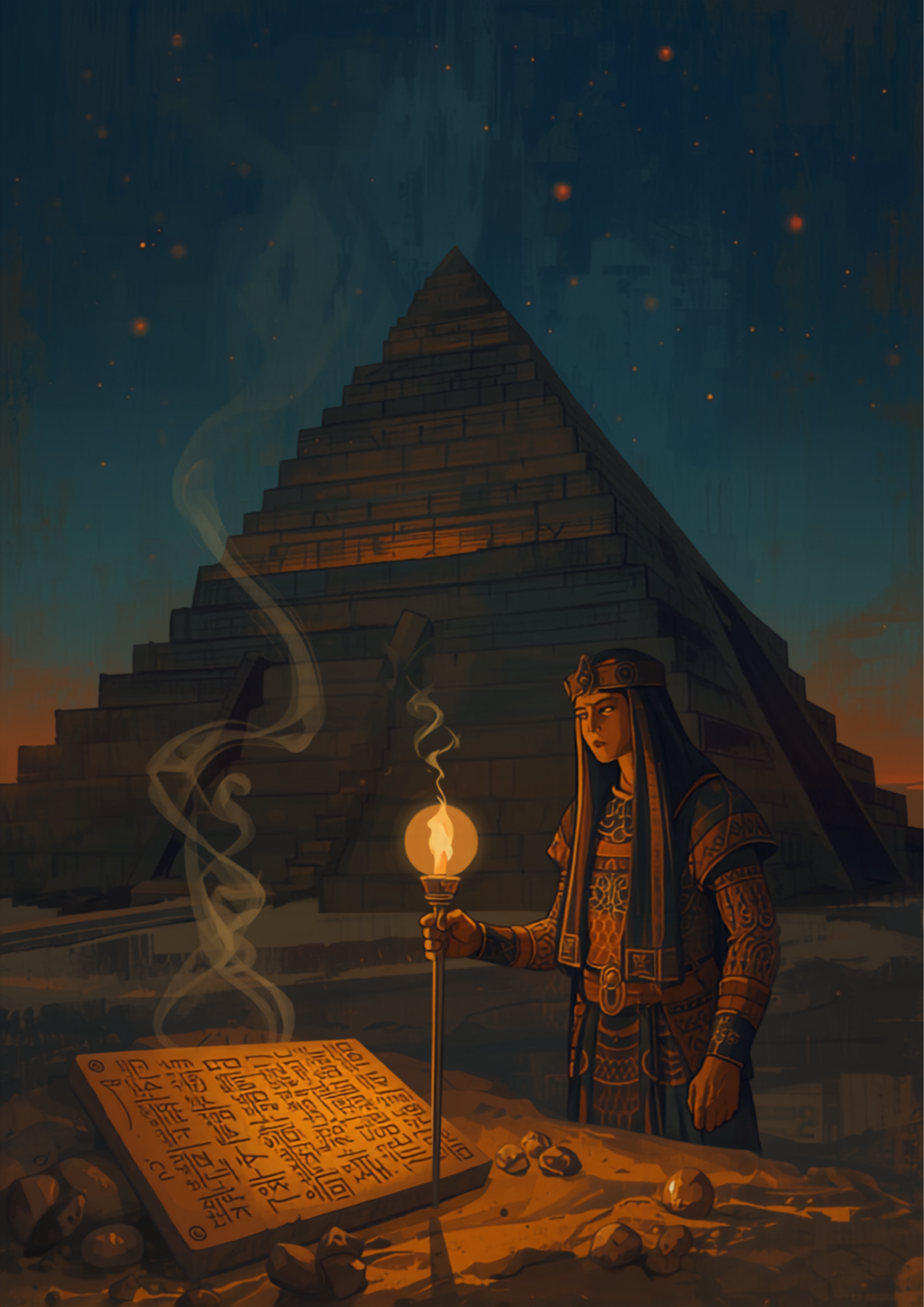
Travel east, to the rivers of Mesopotamia, and you find one of the oldest medical traditions ever recorded — and one that never separated what we now call "physical" and "spiritual" medicine into different professions.
In ancient Sumer and Babylon, two kinds of healers worked side by side: the asu, a physician of herbs, poultices, and physical remedy, and the ashipu, a priest-healer who worked with incantation, ritual, and the diagnosis of which spirit, curse, or imbalance stood behind the physical symptom. Clay tablets from as early as 2000 BCE record entire pharmacopeias — willow bark for pain, myrrh for infection — prescribed alongside precise ritual instructions for clearing the energetic cause.
The Babylonians believed illness could be read like a text, if you knew how to look — in the liver of a sacrificed animal, in the pattern of smoke, in the position of the stars at the hour a person fell ill. This was not superstition to them; it was pattern recognition on a cosmic scale — the conviction that a human body and the movements of the heavens were written in the same language, and that healing meant realigning the smaller pattern with the larger one.
This is a conviction I still hold. Your liver, your lymph, your bladder — they are not isolated machinery. They are instruments tuned to something much larger than themselves.
The Vedic Tradition: Prana, and the Architecture of the Subtle Body
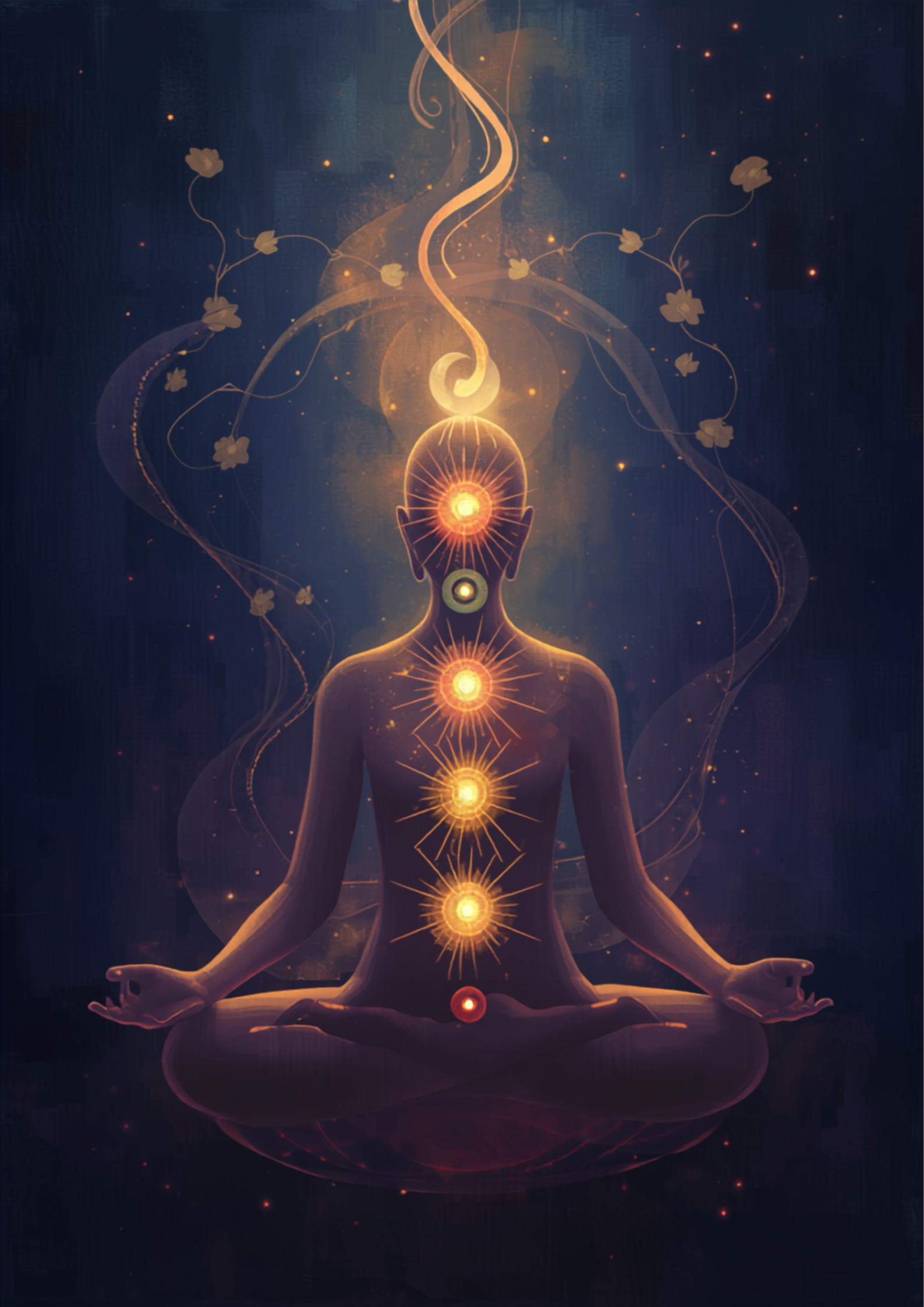
Further east still, in the Indus Valley and the tradition that became Ayurveda, healers mapped something the Egyptians and Sumerians intuited but rarely diagrammed so precisely: the subtle architecture of the energetic body itself.
The chakras — the seven major wheels of energy running from the base of the spine to the crown — were understood as the meeting points between the physical body and prana, the life-force that Egyptians might have called ka and the Chinese tradition calls qi. Illness, in this framework, was rarely only about tissue. It was about stagnation or excess in the flow of prana through these centers — a blocked root chakra manifesting as digestive or reproductive distress, a suppressed throat chakra manifesting as thyroid imbalance, a heart chakra sealed shut by grief manifesting, over years, as the very density so many of us carry now in the chest, the lungs, the arms.
Ayurvedic physicians prescribed herb and diet, yes — but always alongside mantra, pranayama (breath as medicine), and ritual designed to restore flow to the subtle body first, trusting the physical body to follow. Sound was never decoration in this tradition. Sound — specific frequency, specific vibration — was considered one of the most direct tools available for reorganizing a body's energetic architecture.
This is, in many ways, the oldest ancestor of what modern frequency medicine is rediscovering: that the body responds to vibration before it responds to almost anything else.
Atlantis: The Civilization That Moved Too Fast
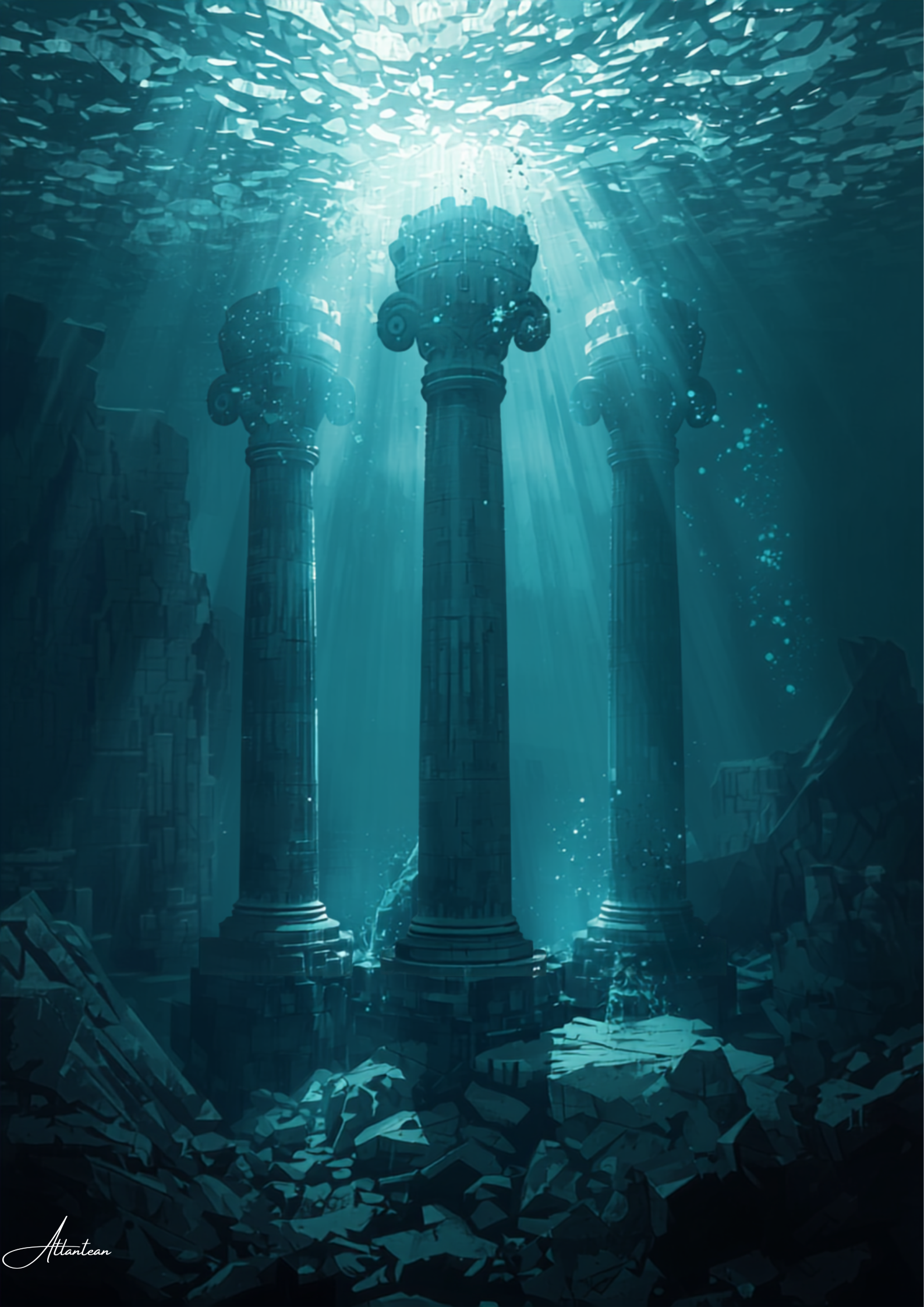
And then there is the civilization that lives less in the archaeological record and more in myth, dream, and the cellular memory so many healers and seekers report carrying — Atlantis.
Whatever your relationship to this story — historical, symbolic, or something felt more than proven — the shape of the myth is remarkably consistent across the traditions that carry it: an advanced civilization, working with crystal, sound, and forms of technology we do not fully understand, that reached for power faster than it developed the wisdom to hold it. The fall, in every telling, was not sudden cruelty from without. It was imbalance from within — the masculine drive toward acceleration outpacing the feminine capacity for integration, until the whole structure could no longer hold its own weight.
I do not tell this story as settled history. I tell it because so many people — across cultures, across centuries, entirely unconnected to one another — report the same ache: a grief for a home they cannot name, a fear of moving too fast, a body that seems to brace against its own power. Whether this is memory, myth, or metaphor for something universal in the human story, it speaks to something real: we are, collectively, still integrating what it means to hold power responsibly. And many bodies alive today seem to be carrying that unfinished lesson somewhere in their tissue.
The Thread That Connects Them All
Lay these traditions side by side — Egyptian temple medicine, Sumerian priest-physicians, Vedic subtle-body science, and the Atlantis myth's caution about power without wisdom — and one thread runs through every one of them:
Every ancient healing tradition on this Earth understood illness as a message, not only a malfunction. And every one of them used frequency — sound, vibration, ritual, resonance — as a primary tool for translating that message back into wholeness.
None of them separated the sacred from the clinical the way the modern world has learned to. That separation is recent. It is not ancient. It is not, I believe, permanent.
Where This Ancient Wisdom Meets Modern Frequency Medicine
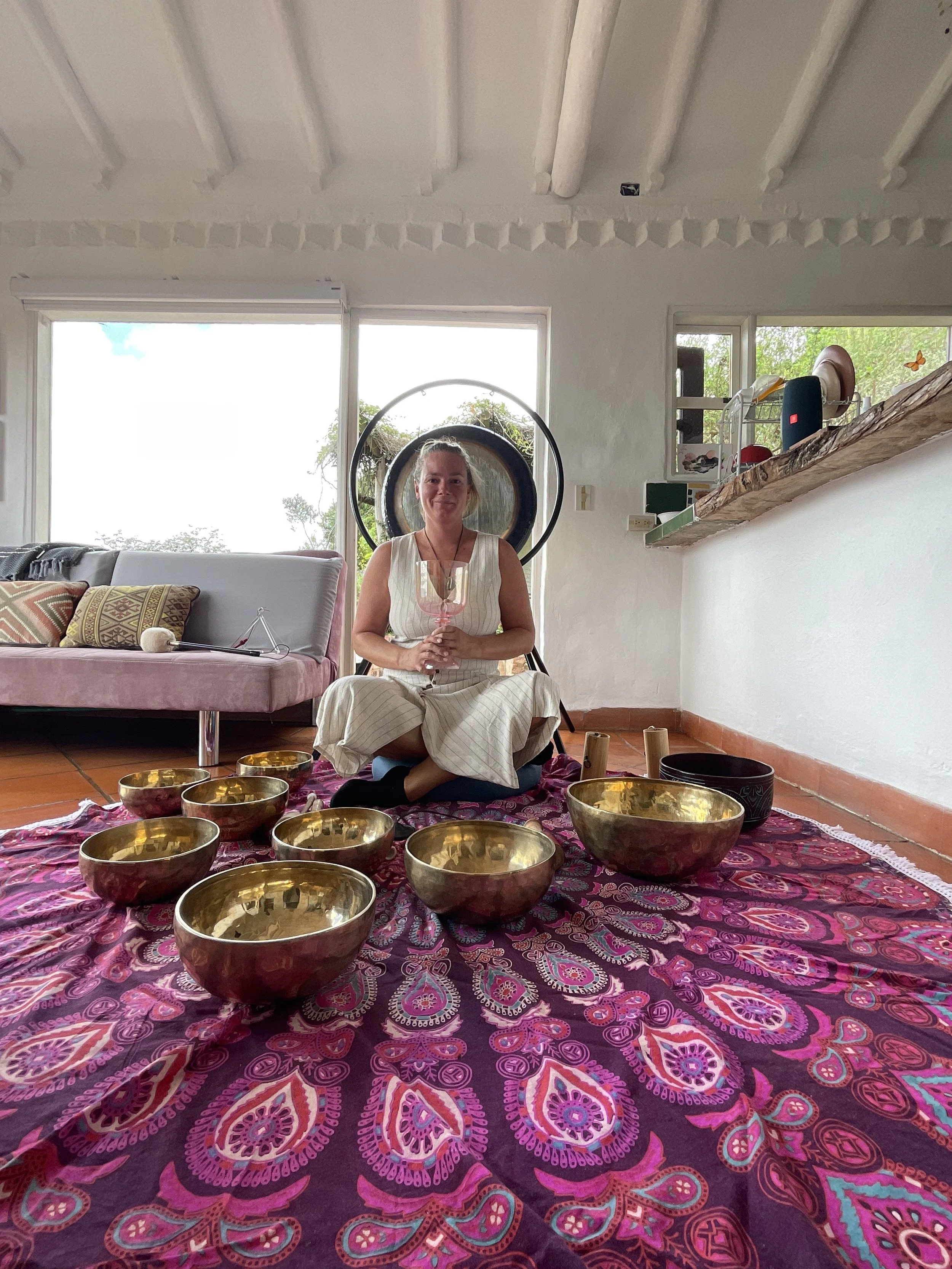
This is the bridge I have devoted my life and my practice to walking.
Quantum Bioresonance frequency healing is, to me, a direct continuation of everything described above — a modern instrument built to do what the temple, the ashipu, and the Ayurvedic physician were all reaching toward in their own eras. Where the ancients used sound, oil, incubated sleep, and mantra to listen to the body's field, bioresonance technology listens to that same field at the cellular level — scanning for the hidden root causes so many people carry silently and unknowingly:
Parasites and hidden infections, the modern equivalent of the "unseen spirit" the ashipu were trained to detect
Heavy metal toxicity and biofilm, the density that settles into tissue the way the ancients understood stagnant energy settling into the liver
Lyme and co-infections, chronic viral loads, and mold — root causes so often missed by conventional testing
Liver, gallbladder, and lymphatic congestion — the very organs the Egyptians considered seats of both physical and emotional processing
Energetic imbalance and nervous system dysregulation, the modern language for what earlier traditions might have called a soul out of alignment with its own rhythm
This is, in its own way, a form of temple sleep for the modern age — a way of letting the body's own frequency tell its story, so the true root of suffering can finally be addressed instead of endlessly managed. It does not replace the wisdom of the old traditions. It carries it forward, translated into a language this era can receive.
An Invitation, From the Temple to Now
If your body has been trying to get your attention — through fatigue, through unexplained density, through a heaviness that no amount of positive thinking or willpower has been able to shift — I want you to know two things.
First: you are not broken, and you are not alone. What you are carrying may be older, and larger, than this single lifetime — and every healing tradition this Earth has ever produced would tell you that is not a burden to be ashamed of, but a story asking to be witnessed.
Second: you do not have to choose between the mystical understanding of what you're carrying and the physical support your body is asking for. The old temples never asked the sick to choose between the dream and the physician's hand. Ancient Egypt didn't. Sumer didn't. The Vedic physicians didn't. Both were always offered together, in the same house, by the same healer.
That is the house I hold now.
🔮 If you're ready to listen to what your body already knows, book a Quantum Bioresonance session and let's begin.
In frequency and remembrance, Nik Heartsong, Quantum Mirror & Frequency Weaver